Change Realm Skip to main content

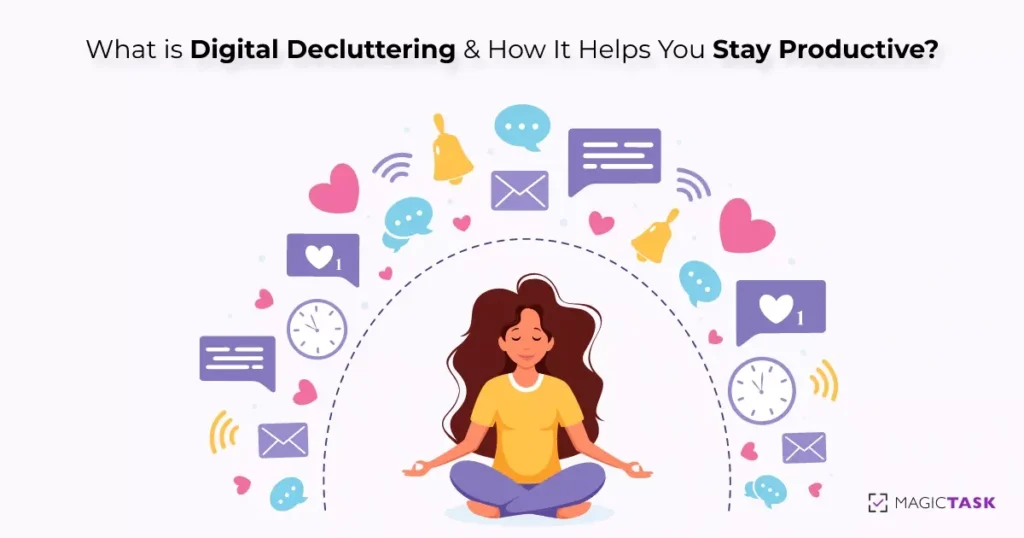
What is Digital Decluttering and How It Helps to Stay Organized and Productive?

Digital Decluttering

In a digital age filled with constant information overload, finding a sense of organization and productivity can feel like a daunting task. That's where digital decluttering comes in. In this article, we explore the concept of digital decluttering and how it can transform your digital life.

Imagine a streamlined digital space, free from clutter and distractions. By decluttering your digital devices, files, and online presence, you can regain control and boost your productivity.

Join us as we delve into the world of digital decluttering, uncovering practical tips and strategies to help you stay organized, focused, and productive in the digital realm.

Get ready to embrace the power of digital decluttering and experience the liberation it brings. Say goodbye to digital chaos and hello to a more organized and productive life. Let's dive in!

What is Digital Decluttering?

Digital decluttering refers to the process of organizing and simplifying our digital spaces such as email inboxes, cloud storage, and desktop files. In our digital age, clutter easily accumulates, from hundreds of unread emails to rarely used apps on our devices.

To paint a vivid picture, consider your email inbox. According to a report by Radicati Group, a technology market research firm, the average office worker receives about 121 emails per day. Over time, these can accumulate, leading to thousands of unread emails. Digital decluttering in this context would involve sorting these emails, deleting spam or irrelevant ones, unsubscribing from unwanted newsletters, and organizing the rest into folders or categories for easy access.

Similarly, we all have a habit of downloading apps and forgetting about them. A report from BuildFire indicates that the average smartphone user has 60-90 apps installed on their device, but only uses about 30 per month and 9 daily. Part of digital decluttering might be deleting unused or rarely used apps, freeing up storage space, and reducing visual clutter on your device.

In essence, digital decluttering is all about creating a more streamlined, organized, and manageable digital environment. It's a necessary task in our digitized world, and doing it effectively can lead to increased productivity and reduced stress.

Key Benefits of Digital Decluttering

Efficient Time Utilization

When your digital space is organized, you save time as you can locate needed items swiftly, avoiding rummaging through the digital clutter.

Reduced Stress

Having fewer things to manage results in less stress, particularly beneficial for detail-oriented individuals.

Space for What You Love

Decluttering creates room for the essentials in your home or office, eliminating extraneous items.

Enhanced Focus

A clutter-free environment minimizes distractions, boosting productivity.

Emotional and Physical Lightness

Decluttering helps shed physical and emotional baggage, instilling a sense of freedom and lightness.

Embracing digital decluttering can lead to practical and emotional advantages. If digital clutter overwhelms you, give decluttering a try. You may be pleasantly surprised by the liberation from life's digital clutter.

How to Develop a Declutter Mindset?

Declutter Mindset

Understanding what digital decluttering is, now let's focus on developing the right mindset.

Decluttering can initially be challenging. The key to enduring the process is remembering why it's important. Thus, we're outlining the benefits of a decluttering mindset and tips for mental preparation.

To begin with:

  • Recognize the habits and patterns crowding your mind. Awareness is the first step in decluttering.
  • After identifying detrimental thoughts, practice mindfulness to let them go – observe without judgment and release them.
  • Engage in meditation or relaxation techniques to help center your mind, dispelling negative thoughts.
  • Lastly, nurture a positive mindset by concentrating on elements that bring you joy and gratitude. This helps in discarding negative thought patterns.

Cultivating a decluttering mindset can be tough yet achievable. By focusing on positive elements, you foster a mindset conducive to decluttering.

Step-by-Step Process to Declutter Your Digital Devices

There are a few different ways to approaches you can take. One method is to start with a specific goal in mind, such as freeing up a certain amount of space on your hard drive or improving your device's performance.

Once you have a goal in mind, you can begin going through your files and folders, deleting anything that isn't absolutely necessary.

Another approach is to start going through your files one by one, deleting anything you no longer need or want.

This can be a more time-consuming process, but it can also be more thorough. And, it can be a good way to get rid of some of the digital clutter you may not have even realized.

Digital Decluttering

Regardless of your approach, be sure to back up your files before you delete anything. That way, if you accidentally delete something important, you'll have a backup and won't have to start from scratch. Once you've decluttered your digital devices, you'll be surprised at how much better they perform and how much easier it is to find the files you need.

Below we have written up a couple of tips and tricks and things you need to keep in mind during the entire digital decluttering process.

  1. Evaluate your digital devices and determine which ones you really need. Do you really need a laptop, tablet, or smartphone? Probably not. Streamline your devices to two or three that will cover all of your needs.
  2. Go through all the apps on your phone and delete the ones you never use. Chances are, you have a lot of apps that you never even open. Declutter your app selection and only keep the ones you really need.
  3. Unsubscribe from all of those emails that you never read. We're all guilty of subscribing to newsletters and emails that we never actually read. Go through your inbox and unsubscribe from anything that you don't read regularly.
  4. Clean out your browser history and cookies. Over time, your web browser can start to fill up with unnecessary data. Take some time to clean out your history and cookies so that your browser is clean and efficient.
  5. Delete old files and photos that you no longer need. We all have old files and photos that we no longer need. Take the time to go through and delete anything that you don't need anymore.
  6. Organize your remaining files into folders. Once you've deleted the unnecessary files, you can then organize the remaining ones into folders. This will help keep your digital devices decluttered and organized.
  7. Sync your devices with each other. Keeping them all in sync with each other is important if you have multiple devices. This will help ensure that you don't have duplicates of files and that everything is up-to-date.
  8. Back up your data regularly. It's significant to back up your data regularly in case something happens to your device. You can use an external hard drive or cloud storage to keep your data safe.
  9. Use a password manager to keep your passwords safe. With so many different passwords to remember, it's easy to lose track of them all. Using a password manager can help you keep all of your passwords in one place and secure.
  10. Keep your software up to date. It's essential to keep your software up to date so that you have the latest security patches and features. Out-of-date software can leave you vulnerable to attacks and malware.
  11. Use a secure browser extension. If you're using a web browser, it's essential to use a secure extension to help protect your information. These extensions can help block ads and trackers, as well as encrypt your data.
  12. Encrypt your devices. If you're concerned about security, you can encrypt your devices so that your data is secure. This will make it more difficult for someone to access your data if they manage to get their hands on your device.
  13. Use a VPN. If you want to add an extra layer of security, you can use a VPN (a virtual private network) when you're online. A VPN encrypts your data and routes it through a secure server, making it more difficult for someone to snoop on your online activity.
  14. Be aware of phishing scams. Phishing scams are common ways for hackers to gain access to your information. Avoid clicking links or attachments from unknown sources. If you're unsure about an email, you can contact the company directly to verify its authenticity.
  15. Practice good cyber hygiene. In general, it's important to practice good cyber hygiene in order to keep your devices and data safe. This includes using strong passwords, being aware of phishing scams, and encrypting your devices.


Use MagicTask to Stay Organized and Productive

One final piece of advice we can give you is to try out MagicTask.

MagicTask is a task and project management platform that helps you keep all of your tasks, chores, and activities under control. Using a very intuitive system of projects, tasks, and subtasks, you can streamline your work and keep an eye on the files and notes you have to keep, discard, or save for later.

These same features help you organize your tasks, keep you away from distractions, and minimize the time you waste on clutter, making you much more productive.

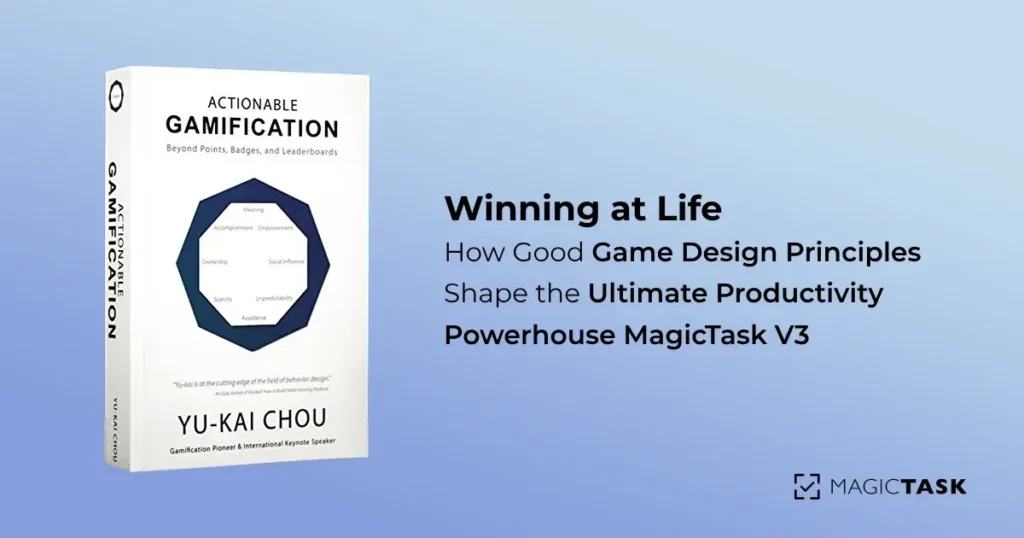
Winning at Life: How Good Game Design Principles Shape the Ultimate Productivity Powerhouse, MagicTask V3

How Good Game Design Principles Shape MagicTask V3

In the realm of pixel battles and breathtaking virtual realities, video games rule as the epitome of electrifying, immersive experiences. A truly epic game ensnares its players, sparking a rush of adrenaline and a sense of accomplishment that beckons gamers back to the controller. It weaves a link between the digital cosmos and our own reality, creating a universe that players live and breathe. So what's the secret sauce? What makes a game go from "good" to "legendary"? Let's grind through the fundamental principles that shape standout game design and explore how MagicTask V3—a groundbreaking productivity power-up—levels up these components to morph the grind of task management into an engaging, rewarding quest.

The Principles of Good Game Design

Player Freedom

In the universe of gaming, choice is king. Prime game design doles out the power to the players, granting them the agency to influence their own in-game destiny. It's not just about choosing your avatar or character class, but the tactical decisions made mid-battle, the direction of your narrative quest, and even the aesthetics of your hero's armor. This surge of autonomy doesn't just immerse players – it binds them to the game. After all, when you've had a hand in crafting your own virtual world, you're much more invested in its fate.

Skill Mastery

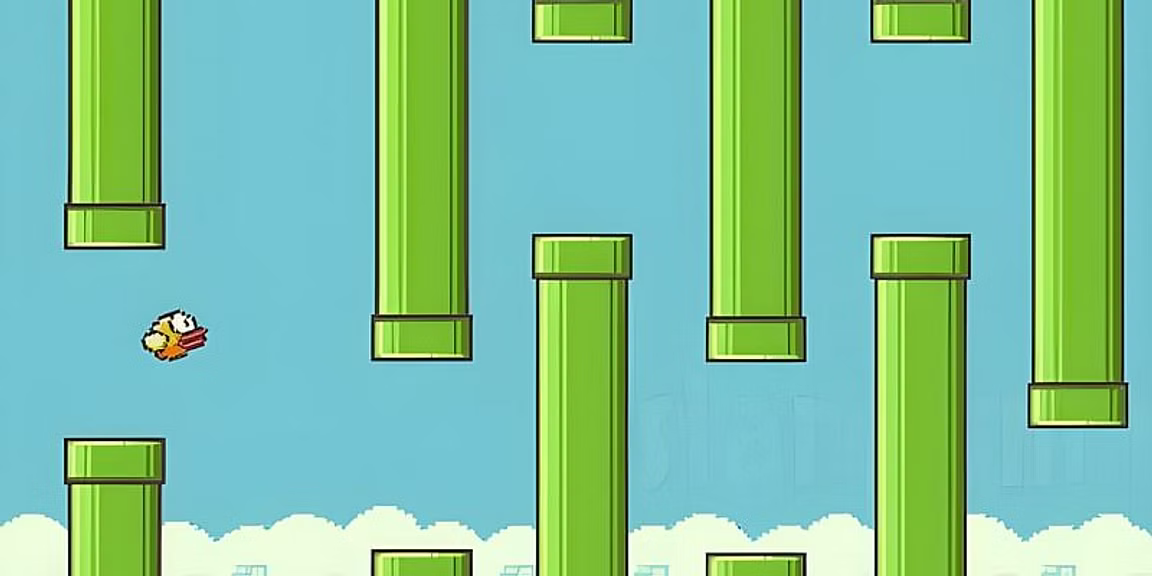
Flappy Bird

An epic game doesn't hand victories to you on a silver platter – nor does it leave you stuck at the first boss for eternity. The best games test your mettle, pushing your skills and strategy to the limit without driving you to rage-quit. Ideally, the difficulty scales as you level up, tossing tougher, more intricate challenges your way as your in-game abilities progress. This sense of skill mastery, of conquering the game mechanics, is what transforms a casual player into a dedicated gamer.

Community and Connection

In the realm of gaming, it's not just you against the world – it's about the bonds you forge along the way. Whether it's strategizing with your guild, trading quips with a witty NPC, or growing attached to your trusty in-game pet, it's these connections that bring a game to life. In a well-crafted multiplayer game, camaraderie and communication are the heart and soul of the experience. Single-player titles, on the other hand, spin captivating tales that stir up an emotional investment between the player and the game universe.

Entering the 'Flow'

Every seasoned gamer knows the exhilaration of being 'in the zone' – that intense state of total immersion where the world around you fades away. This 'flow', a concept named by psychologist Mihaly Csikszentmihalyi, is the Holy Grail of gaming. Hitting this gaming sweet spot requires a few critical ingredients: well-defined objectives, a clear sign of your progress, instant feedback on your actions, and a delicate equilibrium of challenge and skill.

Also Read: The Game Behind the Productivity: The Inspiration Behind MagicTask V3

Recently Released Legendary Games

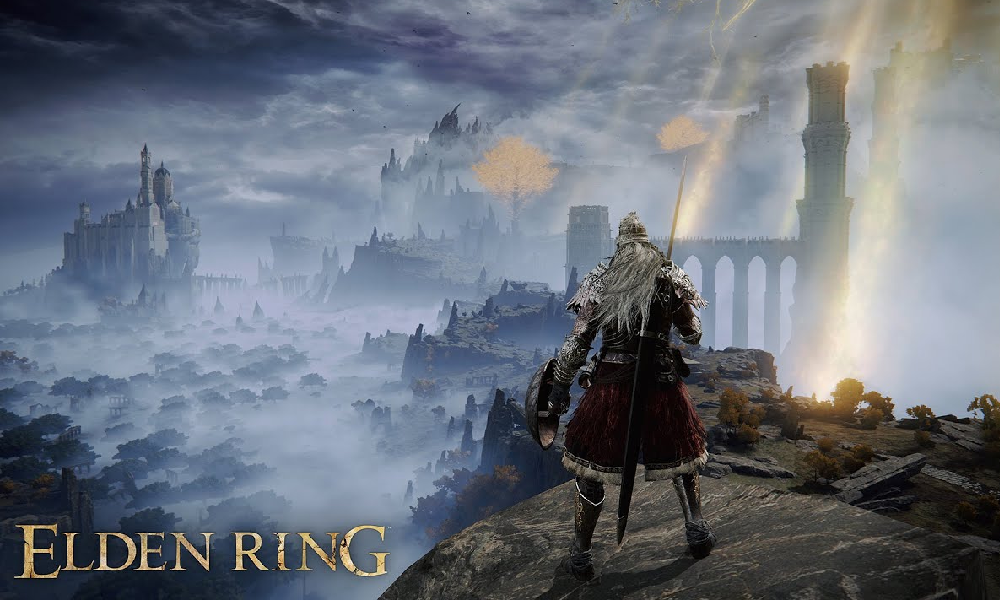
Elden Ring

Elden Ring

One of the latest offerings from the minds behind the legendary Dark Souls series, Elden Ring is a testament to the power of intense, player-driven experiences. This open-world action RPG takes autonomy to the next level, with a sprawling, fully explorable map rich with hidden treasures and ominous threats. You, the Tarnished, are tasked with battling grotesque bosses and overcoming complex environmental puzzles – all while developing your character's skills and abilities.

Elden Ring has elevated the concept of competence with its punishing yet fair combat mechanics. Each encounter is a test of the player’s abilities, where even the most minor mistake can lead to devastating consequences. However, once you learn to read your enemy's patterns and capitalize on their weaknesses, the sense of achievement is unmatched.

The rich lore and the mysterious world foster relatedness, drawing players into the twisted yet captivating narrative of the Ring Lands. As you traverse through foggy forests, shattered ruins, and haunting dungeons, you'll uncover the tragic stories of the inhabitants that echo within these lands, creating an emotional bond that enriches your gaming experience.

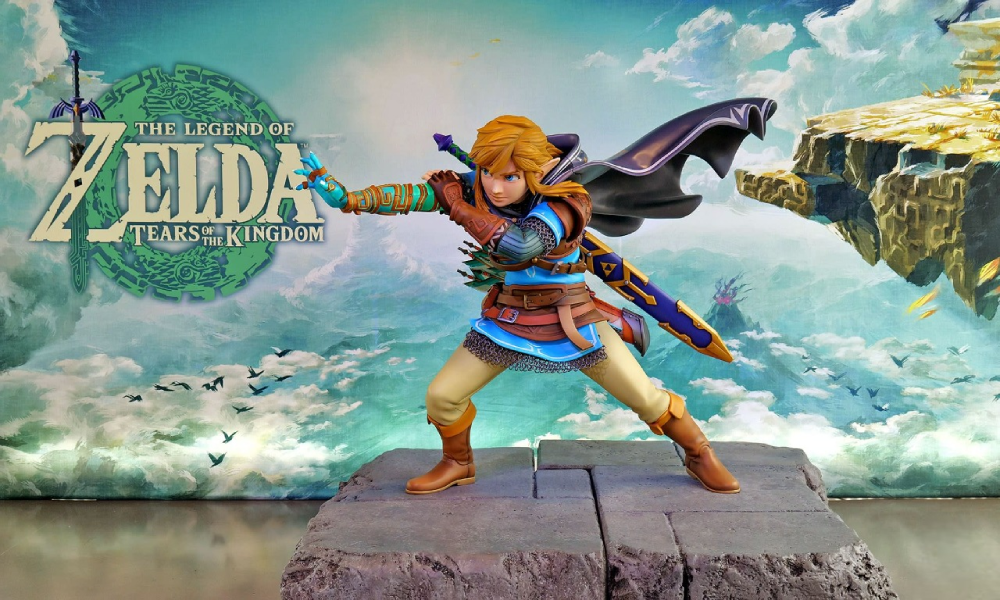
Zelda: Tears of the Kingdom

Zelda: Tears of the Kingdom

In "Tears of the Kingdom," a groundbreaking addition to the realm of RPGs, you're thrust into an expansive kingdom brimming with mystery and adventure. The game hands the reins of autonomy over to the players. Whether you're strategically crafting a plan to overthrow the wicked Ganondorf, hunting down concealed sacred sites, or just absorbing the awe-inspiring vistas from atop your loyal mount, the choice is entirely in your hands.

When it comes to competence, "Tears of the Kingdom" brings a fresh perspective. Instead of the usual leveling-up system, your advancement is determined by your grasp of the world and its mechanics. From solving environmental puzzles, learning the interplay of elements, to deftly utilizing your diverse arsenal of tools and weaponry, everything contributes to your survival in this vast kingdom.

The soul of "Tears of the Kingdom" lies in the bond formed between the player, the protagonists, and the game world, creating a powerful sense of relatedness. The impactful interactions with other characters, the breathtaking landmarks, and the whispered legends of this fallen kingdom foster a deep connection between the player and the game world.

As with "Elden Ring," "Tears of the Kingdom" demonstrates how ingenious game design can give rise to truly legendary games. It presents engaging challenges, a sense of player agency, and the ability to connect with a broader world, all while maintaining players in a captivating state of flow.

MagicTask V3: A Game of Goals, Rules, and Rewards

Cranking out tasks isn't usually an adrenaline rush – but MagicTask V3 plans to change the game. This innovative productivity tool isn't just about getting things done; it's about leveling up, taking down bosses, and feeling like a champion while doing it. If you've ever wondered what it would be like to blend the thrill of gaming with your daily to-do list, look no further. MagicTask V3's got you covered.

Player's Choice: Autonomy in MagicTask V3

As any hardcore gamer knows, the key to a good game is the freedom to make choices, to shape your journey. And MagicTask V3 doesn't skimp on this. Want to change the theme every season? Go for it. Fancy outfitting your avatar with kickass gear? It's all yours. Want to select your quests, pick your loot drops, and even choose your title? The power is in your hands. Every user's experience is tailor-made, upping the game on your productivity quest.

Crushing Tasks: Mastering Competence

MagicTask V3 brings a whole new meaning to grinding XP. Here, leveling up isn't about mashing buttons, but honing your time management skills. Estimate how many Pomodoros you need to take down that task boss, and earn epic loot drops and points for your prowess. It's a fresh take on competence – one that upgrades both your in-game and real-life skillset.

Fellowship of the Task: A Sense of Relatedness

In MagicTask V3, you're not alone. Every season, you team up with other players to take down the big boss. The sense of camaraderie and shared victory keeps you motivated and connected. Track your standings on the leaderboard, compete for trophies, and share your loot – there's no 'I' in the team, after all.

Riding the Flow: Immersive Gameplay

In gaming and productivity alike, nothing beats the feeling of being in the zone. MagicTask V3 takes you there with its design centered around achieving a state of flow. It's got everything: clear goals, visible progress, real-time feedback, and a fine balance of challenge and skill. Every task you tick off feels like a win, keeping you fully engaged and ready to take on the next challenge.

Playing by the Rules: Goals, Challenges, and Rewards

Think of MagicTask V3 as your very own quest line. Your mission: achieve the highest rank in the season and defeat the boss. The rules are simple, the challenges big, but the rewards? Oh, they're so worth it. Top-ranking players earn epic season winner trophies, and completing tasks is rewarded with animations, level-ups, and random loot drops. It's not just about ticking off tasks anymore; it's about the thrill of the chase and the satisfaction of victory.

The Final Boss: Redefining Productivity

Who said productivity had to be boring? MagicTask V3 is proof that getting stuff done can be just as engaging as an epic boss fight. It's more than just a tool – it's a game, and it's reshaping the way we approach productivity. And just like any legendary game, it's not about the characters or the graphics; it's about giving the player a meaningful, memorable experience.

So, if you're ready to swap monotony for motivation, MagicTask V3 is your ticket to a new level of productivity. Level up your tasks, take down bosses, and bring the thrill of gaming to your everyday life. Welcome to the future of productivity tools – it's game time.

The Journey So Far: Constructing the MagicTask V3 Experience

MT V3 Journey so far

Hello fellow adventurers and productivity warriors! It's been quite the journey so far in the development of MagicTask V3. As we forge ahead in this quest, we thought it's high time we sat around the campfire, so to speak, and gave you a recap of our progress to date.

A Recap of the OOUX Methodology

In our previous posts, we've shared our exciting adventure through the world of Object-Oriented UX (OOUX) as part of the process of shaping MagicTask V3. The OOUX methodology has been an essential tool for us, guiding our decisions and helping us construct an engaging and intuitive user experience. Let’s take a moment to reflect on the critical phases of the journey:

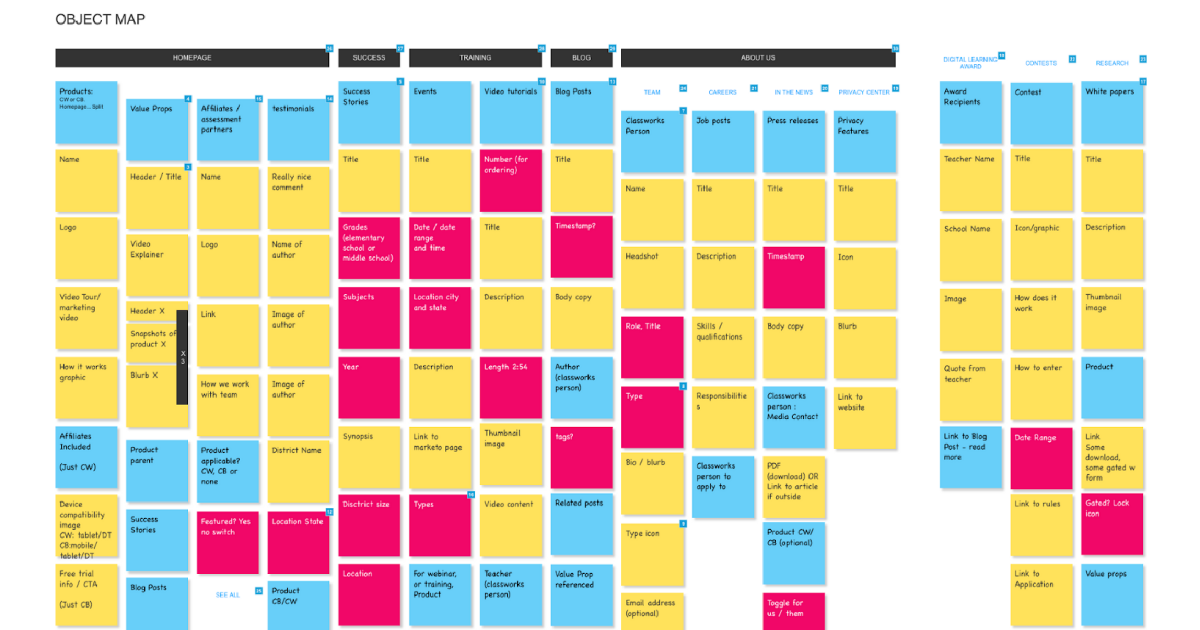
  1. Defining the Objects: In the initial phase of OOUX, we started by defining the key objects in our system. These objects are essentially the building blocks of the application and include elements like 'Task', 'User', 'Project', and 'Team'.
  2. Listing the Attributes: Once we had identified our objects, we then listed the attributes of each object, which helped us understand what each object is and what it does.
  3. Mapping Relationships: The next step in our journey was to map the relationships between the different objects. Understanding these relationships was crucial to designing a system that felt intuitive and made sense to our users.
  4. Outlining the User Flows: After mapping out the relationships, we moved on to designing the user flows. This process allowed us to visualize how users would interact with our system, how they would move from one object to another, and how they would accomplish their goals.

By following the OOUX methodology, we were able to build a solid foundation for MagicTask V3, aligning it more closely with how our users think and interact with the world. The result is a system that not only makes sense but also feels intuitive and engaging to use.

Also Read: Designing MagicTask V3: Crafting the Ultimate Gamified Task System with ChatGPT (Part 1)

The Call for User Feedback

With the groundwork in place, we're now moving into the next critical phase of development: user feedback. This is where we look forward to engaging with you in meaningful dialogue, gleaning valuable insights from your experiences, thoughts, and suggestions. To facilitate this, we are actively scheduling as many calls as possible with you, our users, fellow gamers, and industry experts.

Your insights are the guiding stars in our development journey. They help us understand your needs, your preferences, and your expectations, all of which are crucial elements that shape MagicTask V3. Whether it's feedback on the current version, thoughts on the new features we're planning, or fresh ideas you'd like us to consider, we're all ears.

We have created a dedicated platform for you to book a meeting with us. Feel free to choose a time that suits you best from this link: MagicTask V3 Discussion. In these discussions, we hope to hear your stories – your experiences with MagicTask V2, your ideas for V3, and even the challenges you face in task management.

Use feedback meeting

Your unique perspective is invaluable in helping us refine the system, address any potential blind spots, and ensure that MagicTask V3 will be a product that not only meets your needs but exceeds your expectations. By joining us in this discussion, you'll be playing an integral part in shaping the future of MagicTask.

In the end, MagicTask V3 isn't just our product, it's our collective brainchild. It’s the result of a shared passion for gaming and productivity, a tool crafted to make the process of task management an enjoyable adventure.

Also Read: Designing MagicTask V3: Powering Up Empathy in Our Gamified Task Management System for Hardcore Gamers

MagicTask V2 Thriving: A Milestone Achieved

Even as we craft the future with MagicTask V3, our commitment to the present remains unwavering. It brings us immense joy to witness how MagicTask V2 is empowering our users to manage their tasks effectively and efficiently. This utility, combined with the excitement of gamified productivity, has led to remarkable engagement and achievement amongst our users.

One such notable milestone is from our very own team at Imaginovation. We are thrilled to share that we have recently smashed through the 50,000 tasks completed mark! This achievement not only stands as a testament to our commitment to productivity but also the robustness and utility of MagicTask V2. You can explore more about our journey and work on our website www.imaginovation.net.

MagicTask V2 remains fully operational and continues to serve as a sturdy companion in your quest for productivity. If you haven't already, we encourage you to explore and engage with it. The gamified elements woven into MagicTask V2 aim to make productivity not just a goal, but a rewarding and exciting journey.

Join Us in Shaping MagicTask V3

As the horizon of MagicTask V3 comes into view, your role in shaping this journey becomes ever more crucial. We are treading an exciting path, and your insights, feedback, and experiences will serve as our guiding beacons.

We extend an open invitation for you to join us in this quest for innovation, to help us create a product that seamlessly melds the thrill of gaming with the discipline of productivity. Your voice matters in this endeavor. Be it a new feature suggestion, a refinement to an existing one, or your overall user experience with MagicTask V2, we're eager to hear it all.

Onward, to Productivity and Beyond!

As we continue building MagicTask V3, we keep our users at the center of the process. We're determined to develop a tool that not only boosts productivity but also turns it into a rewarding and fun experience. As we blend the worlds of gaming and task management, we invite you to join us on this exciting journey.

Whether it's sharing your thoughts on MagicTask V2, your anticipations for V3, or ideas for the future, we're eager to hear from you. So, prepare your best productivity strategies, sharpen your gaming skills, and join us on this exciting quest.

Onward, to productivity and beyond!

The Game Behind the Productivity: The Inspiration Behind MagicTask V3

The Inspiration Behind MagicTask V3

Greetings, fellow adventurers and relentless quest-takers. I'm here to present you with MagicTask V3, a manifestation of my lifelong journey through the enchanting realms of video games intertwined with an unyielding quest for mastering productivity. It's a realm where task management converges with the thrill of gaming. It's a realm where your to-dos don't merely get checked off but conquered and celebrated.

MagicTask V3 isn't just a productivity tool; it's a tribute to the gaming culture that shaped generations, including myself. It's where the captivating narratives of RPGs meet the satisfaction of ticking off tasks, where the strategic elements of RTS games blend with project management, and where the sense of progression in adventure games melds with personal growth.

Every pixel, every feature, and every interaction in MagicTask V3 echoes a gaming memory, a boss fight won, a level-up achieved, or a secret passage discovered. From the earliest memories of pixelated sprites on the Atari 2600 to the high-definition, immersive experiences on the PS5, my gaming journey has been one of constant awe and inspiration. And today, I stand at an exciting juncture, where I get to share this journey with you and show how it has been instrumental in shaping MagicTask V3.

The influence of these games goes beyond just aesthetic or nostalgic value. They've inspired core mechanics, user experience elements, and even the underlying philosophy of MagicTask V3. In the same way that games offer multiple paths to victory and encourage diverse strategies, MagicTask V3 is designed to be flexible and adaptable, catering to your unique work style and productivity needs.

So, ready your gear and sharpen your swords, for we're about to embark on an epic quest. I'm thrilled to guide you through the gaming milestones that have left their mark on MagicTask V3. From the simplest 8-bit inspirations to the intricate mechanics of MMORPGs, let's delve into how my gaming history has shaped this unique task management battleground. Adventure awaits!

Who is Sudo Innominate

Your humble guide on this journey is none other than myself, Sudo Innominate, the dungeon master behind MagicTask. My dual life oscillates between the exhilarating universe of gaming and the disciplined realm of productivity. As a hardcore gamer, I've basked in the pixelated glory of games across platforms and genres. From the nostalgic beep-boop of the Atari 2600 to the high-res action of the PS5, I've tackled them all.

Just as I’ve defeated my fair share of digital bosses, I’ve battled and tamed the beast of inefficiency in the real world. My quest for productivity isn’t driven by a mere interest; it’s a passion, a pursuit of excellence, and a never-ending challenge. It began with understanding the importance of time and has evolved into a perpetual search for methods and tools that can help squeeze the most value out of each second.

Over the years, I've delved into the vast knowledge offered by productivity gurus, devouring the wisdom presented in books such as "Getting Things Done", "The 7 Habits of Highly Effective People", "The One Thing", "How to Win Friends & Influence People", "Deep Work", "Essentialism: The Disciplined Pursuit of Less", "So Good They Can't Ignore You", and "The Pragmatic Programmer". Each page turned, each idea absorbed, and each principle applied has shaped my understanding of productivity, ultimately culminating in the creation of MagicTask V2, and now, its successor, MagicTask V3.

My commitment to productivity isn't just theoretical; it's deeply practical and personal. As proof, I'm currently holding a proud second place on the MagicTask V2 leaderboard, with a whopping 4803 tasks completed! Furthermore, as the Co-Founder of Imaginovation, our company stands at rank #1, having crushed an impressive total of 66,810 tasks. The battlefield of productivity is where we shine, and MagicTask is our weapon of choice.

MagicTask V3 is the sweet spot, the epic loot at the end of this dual quest. It's where I've combined my passion and prowess in both gaming and productivity to create a tool that makes task management not just bearable, but enjoyable. It's a tool that reflects the lessons learned from these productivity books, enriched by the experiences of leading a high-performing team and my personal journey toward productivity.

In the lines that follow, I'll take you through the gaming milestones that have shaped the development of MagicTask V3. From 8-bit inspirations to MMORPG mechanics, here's how my gaming history has influenced this unique task management tool. So buckle up, for we are about to embark on an epic quest through time.

Also Read: Designing MagicTask V3: Crafting the Ultimate Gamified Task System with ChatGPT (Part 1)

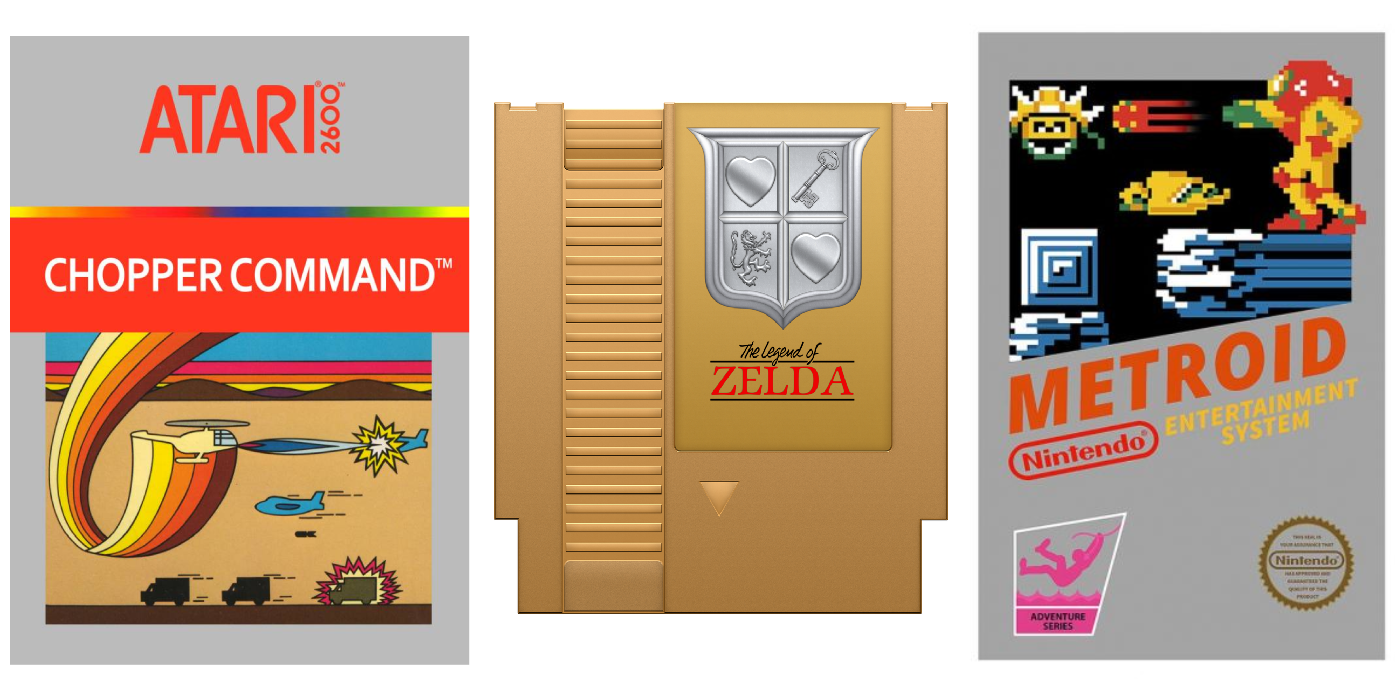
Atari 2600 and NES: The Spark of Passion

Atari 2600 and NES Game Titles

The spark that ignited my passion for gaming was first kindled by the captivating worlds of the Atari 2600 and NES. Titles like Chopper Command became my playground, where I not only enjoyed the thrill of the game but also began to appreciate the mechanics that underpinned it. Mario, Zelda, and Metroid weren't just games; they were intricate puzzles that challenged me to think, strategize, and plan my moves.

When I was playing Zelda, I distinctly remember how my father, an engineer, helped me map out the final dungeon using CAD. This collaboration wasn't just about winning the game; it was a practical lesson in project management and strategic planning. We had a goal (defeat Ganon), we had a series of tasks (navigate the dungeon, overcome enemies and obstacles), and we had resources (items, health). By meticulously planning our actions, we were able to achieve our objective.

Metroid, with its non-linear gameplay, was another significant influence. It was a game that didn't hold your hand, encouraging exploration and decision-making. The more I played, the more I understood that each decision I made, each path I took, impacted the game's progression. This understanding of choice and consequence is something I've incorporated into MagicTask V3, where every task you complete, or fail to complete, influences your overall productivity journey.

This early immersion into the world of gaming wasn't just about fun; it introduced me to complex problem-solving, strategic thinking, and the importance of planning and execution – all crucial aspects of productivity and task management. This fusion of gaming and productivity is the cornerstone of MagicTask V3. The same thrill you get from defeating a difficult boss or solving a complex puzzle in a game, I wanted to bring to task management. So, in MagicTask V3, every task becomes a challenge to overcome, a puzzle to solve, contributing to your overall 'game' of being productive.

Inspired MagicTask V3 Feature: Task Prioritization

Just as in the gaming worlds of Zelda and Metroid, where you strategically allocate your resources and prioritize your actions to achieve your objectives, MagicTask V3 brings the same level of strategic planning to task management. I recognized the power of prioritization while navigating the vast dungeons of Zelda and the labyrinthine corridors of Metroid, and I wanted to bring that experience to the world of productivity.

In MagicTask V3, users can assign priority levels to their tasks, transforming their to-do list into a strategic game map. Instead of facing a chaotic barrage of tasks, you now have a well-defined game plan to conquer your day, week, or even your month. This feature allows you to highlight critical tasks, ensuring they receive your immediate attention and resources, just like focusing on the main quest in a game.

Moreover, just as you would adjust your strategy on the fly in a game based on the changing scenarios, MagicTask V3 allows you to dynamically change your task priorities. If a sudden deadline appears like a boss fight, you can quickly reorient your focus and resources to tackle it head-on.

But the beauty of MagicTask V3 doesn't stop at mere prioritization. Much like how games reward you for completing quests or defeating bosses, MagicTask V3 rewards you for completing your tasks. These rewards come in the form of experience points, leveling up, and other game-like achievements. This gamification of task management makes the process not just efficient but also enjoyable and rewarding.

So, with MagicTask V3, task management is no longer a chore; it's a game where you strategize, make decisions, take actions, reap rewards, and above all, have fun while being productive. After all, who said productivity couldn't be exciting?

Gateway 486-DX2: Leveling Up With Text and Strategy

Gateway 486-DX2 Games

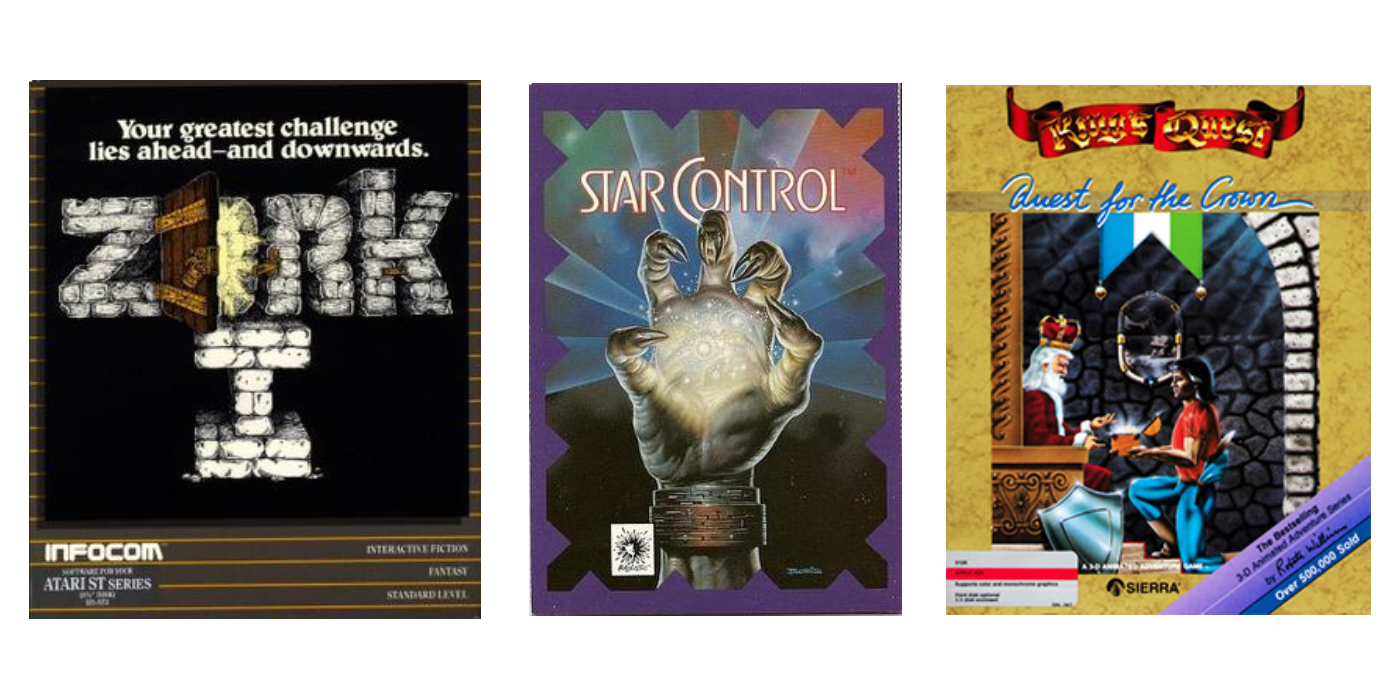
Stepping into the gaming arena with my mighty Gateway 486-DX2, I faced the challenges of text-based and strategy games. This was the grind that put my mental agility and strategic mastery to the test. Titles like Zork, a text-based rollercoaster, had me casting spells of language, commands, and sequences to navigate through a world sketched out by my imagination. Strategy games like Star Control, King's Quest, and Police Quest were like tactical gauntlets, calling for careful planning, decisive action, and the reflexes to deal with RNG surprises.

These weren't just games; they were mental boss fights, sharpening my logic and strategy skills. They were a masterclass in decision-making, showing how every choice, every move, can tip the balance between epic win and total wipeout.

Inspired MagicTask V3 Feature: Macro System for Fast Command Entry

These early gaming experiences deeply influenced the development of MagicTask V3. Just as I had to type the right commands to navigate Zork's intricate world, MagicTask V3 users can use a powerful macro system to manage their tasks efficiently.

With MagicTask V3, you don't need to navigate through multiple menus or type out full sentences to manage your tasks. Instead, you can use quick commands like !project or #tag to add tasks to specific projects or tag them with relevant categories. This is like the command line approach of Zork, where knowing the right command can save time and lead to success.

The command-driven approach allows for precise and efficient task management, enabling users to spend less time managing tasks and more time accomplishing them. This reflects the strategic thinking required in games like Star Control, where making the right move efficiently often made the difference between victory and defeat.

So, you see, my early gaming experiences aren't just part of my past; they're part of MagicTask V3's DNA. They've helped shape a task management tool that's not only efficient but also taps into the strategic and problem-solving mindset of gaming. It's a game-changer in every sense of the word.

SNES and Sega Genesis: Diving Deeper Into Immersive Gameplay

Snes Games

The SNES and Sega Genesis were more than just gaming consoles to me; they were gateways to intricate worlds filled with adventure, strategy, and camaraderie. Each cartridge was a ticket to a new realm, from the sprawling landscapes of Final Fantasy III to the competitive arenas of NBA Jam and the fast-paced action of Sonic.

These weren't just games; they were shared experiences, stages set for epic battles, and cooperative endeavors with friends huddled around the same screen. Games like General Chaos pushed this even further, encouraging strategic collaboration with its 4-player mode. The key wasn't just to play, but to play together, to strategize, divide tasks, and conquer.

Inspired MagicTask V3 Feature: Collaboration and Team Management

Drawing from these cooperative gaming experiences, MagicTask V3 is built to foster a similar sense of camaraderie and teamwork in the realm of productivity. Just as I coordinated with my friends to clinch a victory in General Chaos, MagicTask V3 users can work together to achieve their shared goals.

With MagicTask V3, you can invite your allies—be they colleagues, friends, or family—into your project realm. Assign tasks like you would delegate roles in a co-op game, ensuring everyone knows their mission. Monitor the progress of each task in real-time, like watching your team's stats in NBA Jam. React to updates with the agility of Sonic, ensuring your project stays on track.

This collaborative spirit, this shared sense of purpose and mission—that's the magic I wanted to capture from my SNES and Sega Genesis days. With MagicTask V3, you're not just managing tasks; you're leading your team on an epic quest for productivity, and every completed task is a victory worth celebrating.

Online Gaming: The Dawn of a New Age

Ultima Online

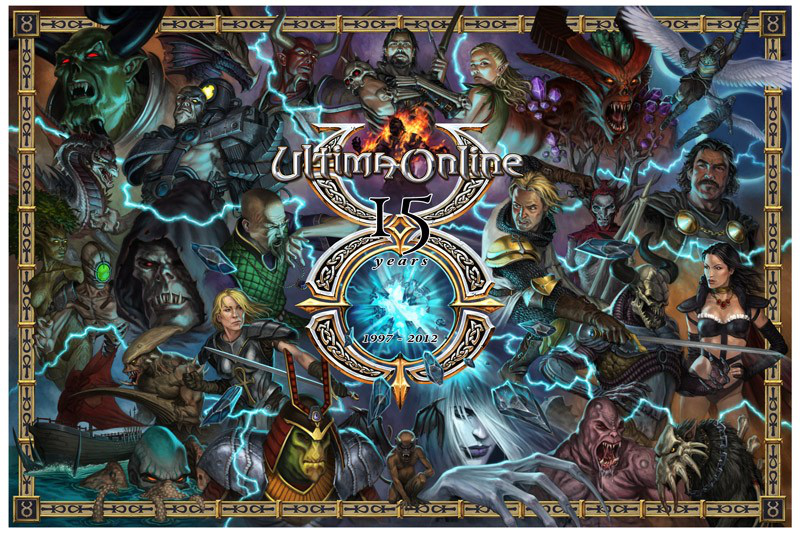
In the realm of online gaming, Ultima Online was a revolution, a game-changer that set the stage for the MMOs of today. I was drawn into its virtual world, which was a rich tapestry woven with player interactions, customization, and competition. It was the first time I experienced a living, breathing online community that thrived on the social interactions between players.

Just like modern social media, Ultima Online was a platform for connections and communication, where players would gather, trade, and embark on adventures together. It was social media before social media was even a concept. And this level of player interaction and community-building is something I wanted to replicate in MagicTask V3.

Inspired MagicTask V3 Feature: Gamification, Customization, and Social Interaction

In keeping with the spirit of Ultima Online, MagicTask V3 integrates gamification elements, customization, and a sense of community. Users can set personal goals, tailor the platform to their needs, and interact with their team members or fellow users.

Gamification turns task management into an engaging game where users earn points, level up, and compete against others on the leaderboard. It's about making productivity fun, challenging, and rewarding.

Customization empowers users to shape their own productivity experience. Just like Ultima Online players could carve out their unique path in the game world, MagicTask V3 users can create custom workflows, set their own objectives, and make their mark on the platform.

Social interaction brings a sense of community to MagicTask V3. Users can collaborate with team members, share their progress, and even compete in a friendly manner. It's a way to encourage teamwork, communication, and mutual support.

In short, MagicTask V3 is an embodiment of the freedom, personalization, and community spirit that made Ultima Online a landmark in online gaming. It's about turning productivity into an exciting, interactive experience – a game where every task completed is a victory, and every point earned brings you closer to the top of the leaderboard.

Also Read: Gamification in Task Management: How It's Changing The Way We Work?

Modern Gaming: Riding the Wave of Evolution

Legends of Runeterra

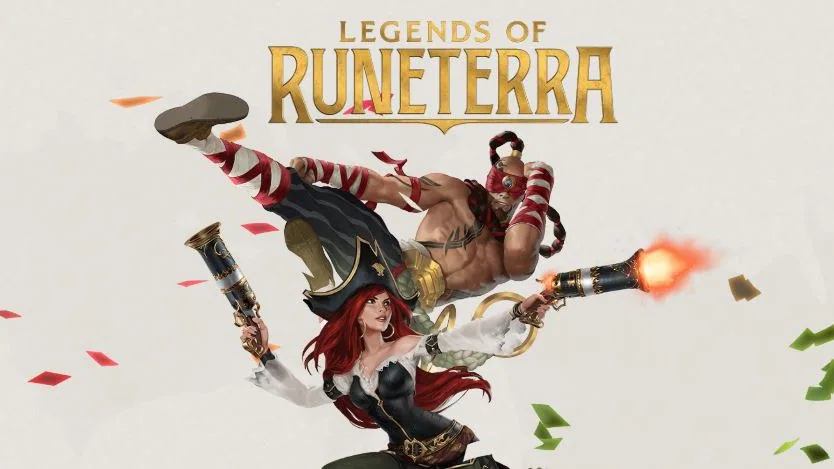
As gaming has evolved, so has my unwavering love for it. In today's world, I'm digging into games like Gauntlet on the PS5 and securing my place in the Masters rank in Legends of Runeterra. What blows my mind about these games is their adaptability and accessibility. They're not chained to a single platform – they're everywhere, ready to roll at a moment's notice, no matter the device. That's a level of flexibility that I knew MagicTask V3 had to nail.

Inspired MagicTask V3 Feature: Cross-Platform Accessibility and Ever-Evolving User Experience

Taking inspiration from the modern gaming ethos, MagicTask V3 is a tool built for the fast-paced, interconnected world we live in. It's about being there when you need it, no matter where you are or what device you're using. Desktop at work, mobile on the go – wherever you are, your tasks are always at your fingertips.

But it's not just about being accessible. It's also about keeping things fresh and exciting. In the same way, modern games constantly update to offer new thrills, MagicTask V3 is committed to evolving. Regular updates bring new features and improvements, ensuring the platform stays ahead of the curve and meets the ever-changing needs of its users.

In the end, MagicTask V3 is all about capturing the adaptability and player-first approach of modern gaming. It's about creating a task management tool that's as dynamic and versatile as the best modern video games. Just like Gauntlet and Legends of Runeterra keep pushing the envelope in gaming, MagicTask V3 is here to redefine what you can expect from a task management tool. Buckle up, folks – it's going to be a wild ride.

Conclusion: Leveling Up Productivity with MagicTask V3

Alright, fellow quest-takers, we've embarked on this epic journey together, traversing the expansive landscapes of my gaming life, and we've finally reached the final boss: MagicTask V3. Each pixel of my gaming history, every controller gripped, every button mashed has been a stepping stone towards creating this unique task management tool.

But what truly sets MagicTask V3 apart is its core philosophy: the fusion of work and play. It's about making productivity not just a necessity, but a joy. It's about turning your to-do list into a high-score table, your tasks into quests, and your accomplishments into achievements. And just like any great game, it's about continual progress, constant improvement, and the satisfaction of overcoming challenges.

So, what's the legacy of MagicTask V3? It's a testament to the power of gaming to inspire and innovate. It's a tribute to the countless hours spent in front of screens, immersed in virtual worlds, and the lessons learned therein. It's the embodiment of the belief that gaming is not just about entertainment, but also about creativity, problem-solving, and community.

In the end, MagicTask V3 is more than just a task management tool. It's a gaming-inspired productivity platform, a love letter to gaming, and most importantly, it's the product of a life spent in the pursuit of both gaming and productivity. Game on, and may your tasks be ever in your favor!

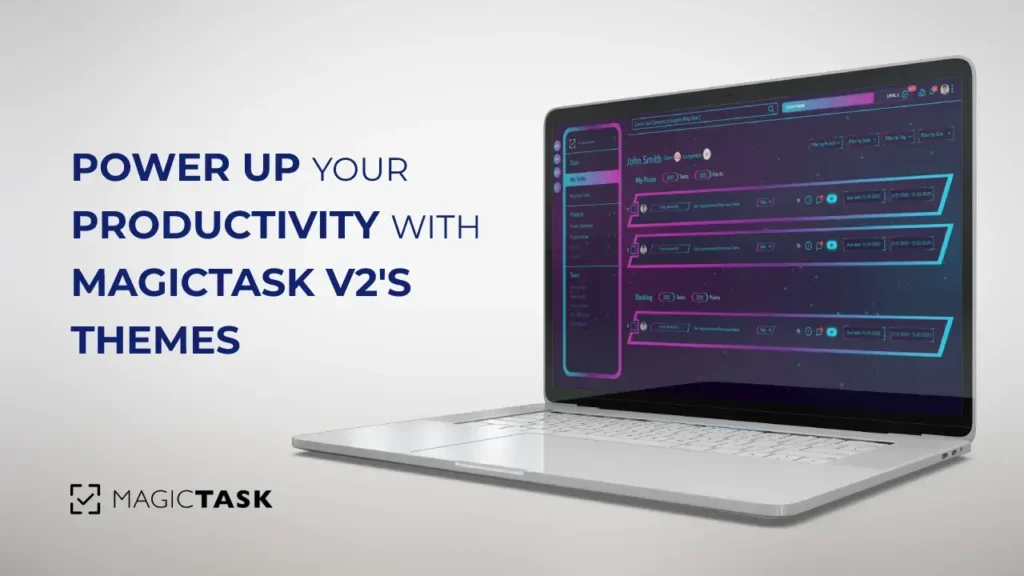
Power Up Your Productivity with MagicTask V2’s Themes

power up productivity with magictask v2 themes

Greetings, MagicTask Warriors! In our journey towards creating a productivity tool that is more than just a tool, we've incorporated elements that make task management fun, engaging, and rewarding. Today, we're going to take you on a tour of one such element – the immersive world of MagicTask V2's themes.

But, let us clarify when we talk about themes, we're not just referring to a cosmetic makeover of your workspace. No, MagicTask themes are far more than that. They're about transforming the concept of productivity into a game, a thrilling quest, a challenge to be conquered. They're about offering rewards that transcend the mere satisfaction of task completion. They're about turning the mundane into the magical.

In the realm of MagicTask, each theme is a reflection of your productivity journey, brimming with its own unique character and challenges. They are your companions in your quest for productivity, mirroring your achievements, and infusing your workspace with a unique blend of aesthetics and interactivity.

The best part? This immersive theme experience is not some future concept or an item on our wishlist. It's live, it's here, and it's now. You can experience the magic of MagicTask themes right this moment at app.magictask.io.

So, brace yourself as we delve deeper into the fascinating world of MagicTask themes. Join us as we explore the dynamics of theme leveling, the thrill of unlocking animations and sound effects, the pride in owning a rare theme, and the sheer joy of turning productivity into a thrilling game.

Let the adventure begin!

Enter the World of MagicTask Themes

In the epic universe of MagicTask V2, we offer you a choice between eight distinct, intricately designed themes. But these aren't just for show. Each theme, aside from the Clean theme, levels up your productivity, unlocking new visual and auditory surprises to enhance your MagicTask experience.

Clean Theme: The vanilla of MagicTask themes, clean and unchanging, perfect for those who appreciate simplicity.

Glitch Theme: Embrace the chaos with visual distortions and digital noise, turning each task into a coding conquest.

Arcade Theme: Nostalgic pixel art and 8-bit sounds will make you feel like you're leveling up in an arcade game.

True Black Theme: Ideal for the stealthy night owls, with its dark hues, it's as if you're operating in 'Incognito Mode.'

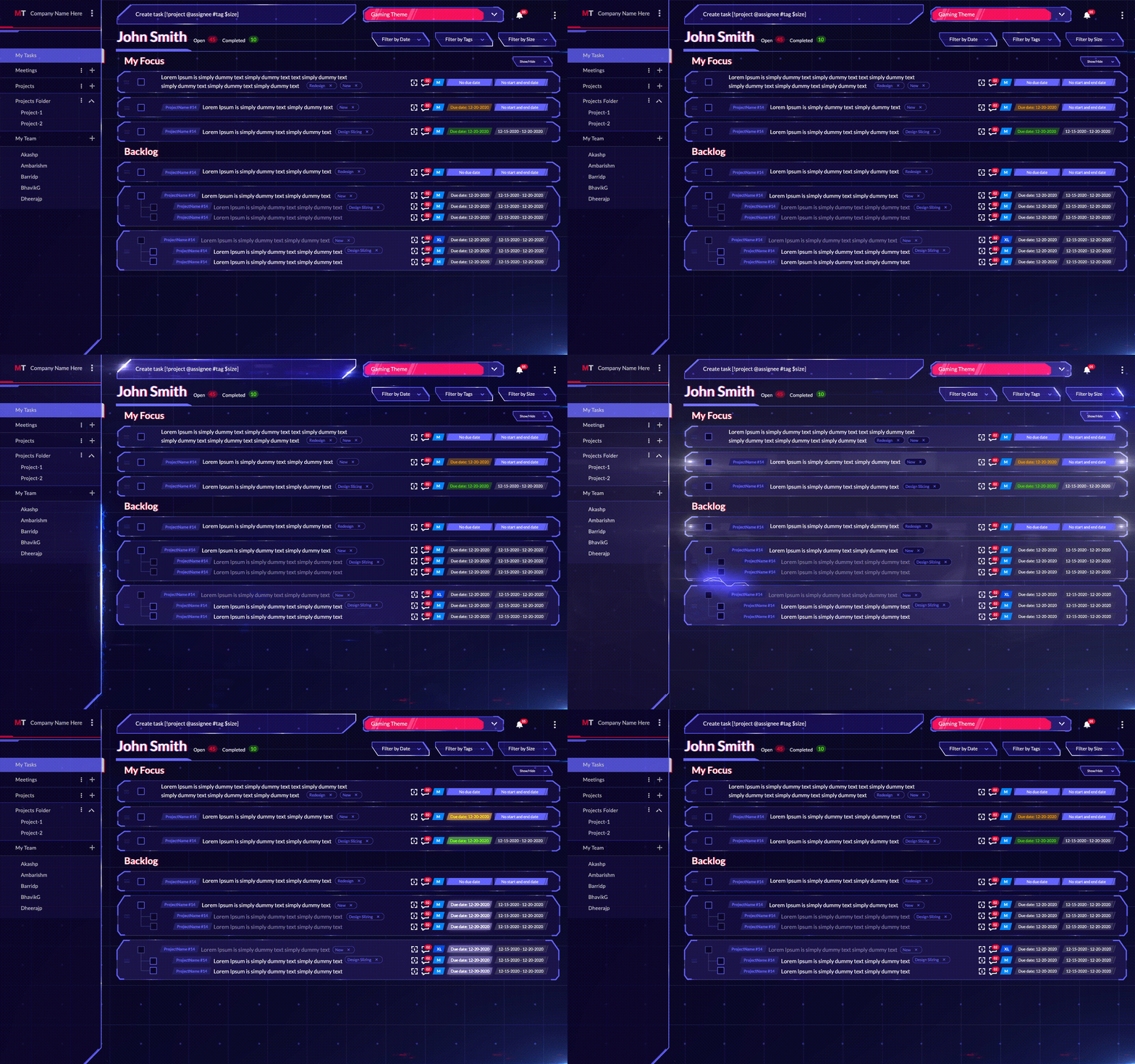
Gaming Theme: This theme is for hardcore gamers, complete with RPG elements and console-inspired designs.

MCARS Theme: Feel like you're piloting a spaceship with this futuristic, interface-themed dashboard.

Futuristic Theme: Bold neon colors against dark backgrounds, evoking a cyberpunk aesthetic.

Purple Haze Theme: This theme has a dreamy, ethereal design, perfect for creative minds seeking inspiration.

Gaming Theme

The Psychology of Leveling Up

The concept of 'leveling up' has its roots deeply embedded in the world of gaming. It's a mechanic that has been psychologically rewarding gamers for decades. The concept is simple but effective – by rewarding players for their progress, games motivate further engagement and provide a sense of accomplishment.

Research in the field of psychology and game design supports the effectiveness of this approach. According to a study by Przybylski, Rigby, and Ryan, the desire for competence and mastery is a core psychological need, and video games are designed to fulfill this need by providing players with challenges that can be overcome through effort and skill1. The level-up system is a tangible representation of a player's progress, competence, and mastery.

In a similar vein, a research paper by Juho Hamari and Jonna Koivisto found that the provision of rewards, such as leveling up, significantly increased the perceived value of a game and the player's intention to continue playing [^2^].

Drawing from these psychological insights, MagicTask has integrated the concept of 'leveling up' into its productivity platform. By introducing the element of progression, we aim to make task management more engaging, enjoyable, and rewarding.

Przybylski, A. K., Rigby, C. S., & Ryan, R. M. (2010). A motivational model of video game engagement. Review of General Psychology, 14(2), 154–166.

Hamari, J., & Koivisto, J. (2014). "Working out for likes": An empirical study on social influence in exercise gamification. Computers in Human Behavior, 50, 333-347

Also Read: Designing MagicTask V3: Powering Up Empathy in Our Gamified Task Management System for Hardcore Gamers

Level Up and Unlock the Magic

Level Up MagicTask Themes

In MagicTask, the concept of leveling up is not just a symbolic representation of your progress, but it’s a transformative experience that brings an innovative twist to the realm of productivity. Each theme within the platform has the capacity to level up, evolving not only in its visual aesthetics but also in its behavior and interaction mechanisms.

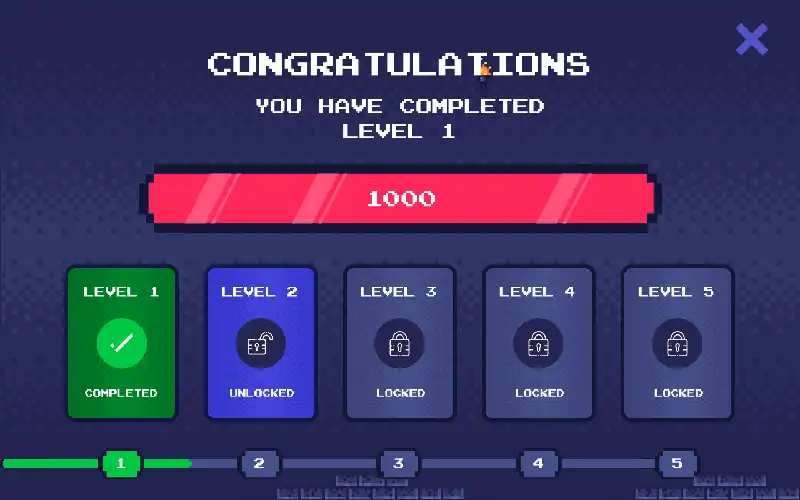
As you journey through your to-do lists, complete tasks, re-prioritize items and contribute to your workspace, you earn points. These points are not merely numbers but a visual spectacle that adds to your overall MagicTask experience. They are visually represented in your personal 'Theme Bar', a unique progress tracker that adds a layer of game-like engagement to your productivity flow.

As you accumulate points, your Theme Bar gradually fills up, signifying your advancement toward the next theme level. This progression isn't just a numerical increase but a visible transformation of your theme, reflecting your productivity growth in an enjoyable and gratifying way.

But that's not all. As you reach new theme levels, you unlock additional features that further enhance your MagicTask experience. These range from new animations that bring your workspace to life, to sound effects that provide auditory cues and rewards for your progress. Each level brings with it a unique set of rewards, making the act of leveling up a core part of the excitement and motivation in your productivity journey.

This integration of game mechanics into productivity management isn't merely about making task management fun. It’s about making productivity feel rewarding and meaningful. It’s about turning the ordinary act of ticking off a to-do list into an extraordinary journey of personal growth and achievement. That's the magic we strive to unlock with each level up in MagicTask.

Ownership, History, and Exclusivity – Your Theme is Your Trophy

At MagicTask, we believe that your workspace should be a reflection of your unique personality and achievements. Hence, each theme you possess is not just a visual template, but a distinctive entity that embodies your productivity journey. In our ecosystem, it's an unspoken rule that you can't own duplicates of the same theme. Each theme is unique, and each has a personal journey to tell.

As you navigate through your tasks and to-dos, your theme becomes a living testament to your productivity. It accrues points from your diligence, mirroring your efforts in every workspace you manage. However, keep in mind that it's not all themes at once that share in this glory; only the theme you have currently equipped will receive these hard-earned points.

One of the most striking features of our themes is their exclusivity. Each theme comes with a mint number, a digital signature of its rarity. This could be anything like #3 out of 5000, instantly signaling its limited availability and unique status. This exclusivity elevates your theme from a mere digital asset to a coveted collectible, a trophy you can proudly showcase in your workspace.

But the story of your theme doesn't stop at its current state. It carries with it a version history, a timeline of its previous owners, leveling milestones, and ownership transfers. This history brings an additional layer of depth and narrative to your theme, making it more than just a workspace feature. It becomes a chronicle of different users' productivity journeys, imbued with their achievements and experiences.

This sense of ownership, history, and exclusivity intertwines with your productivity journey, turning your theme into a tangible badge of honor. It's a constant reminder of how far you've come and an inspiration for the milestones yet to be achieved. In the world of MagicTask, your theme is not just a productivity tool, but a trophy that reflects your dedication, growth, and uniqueness.

Dynamic Triggers – Power Up Your Theme

Glitch Theme

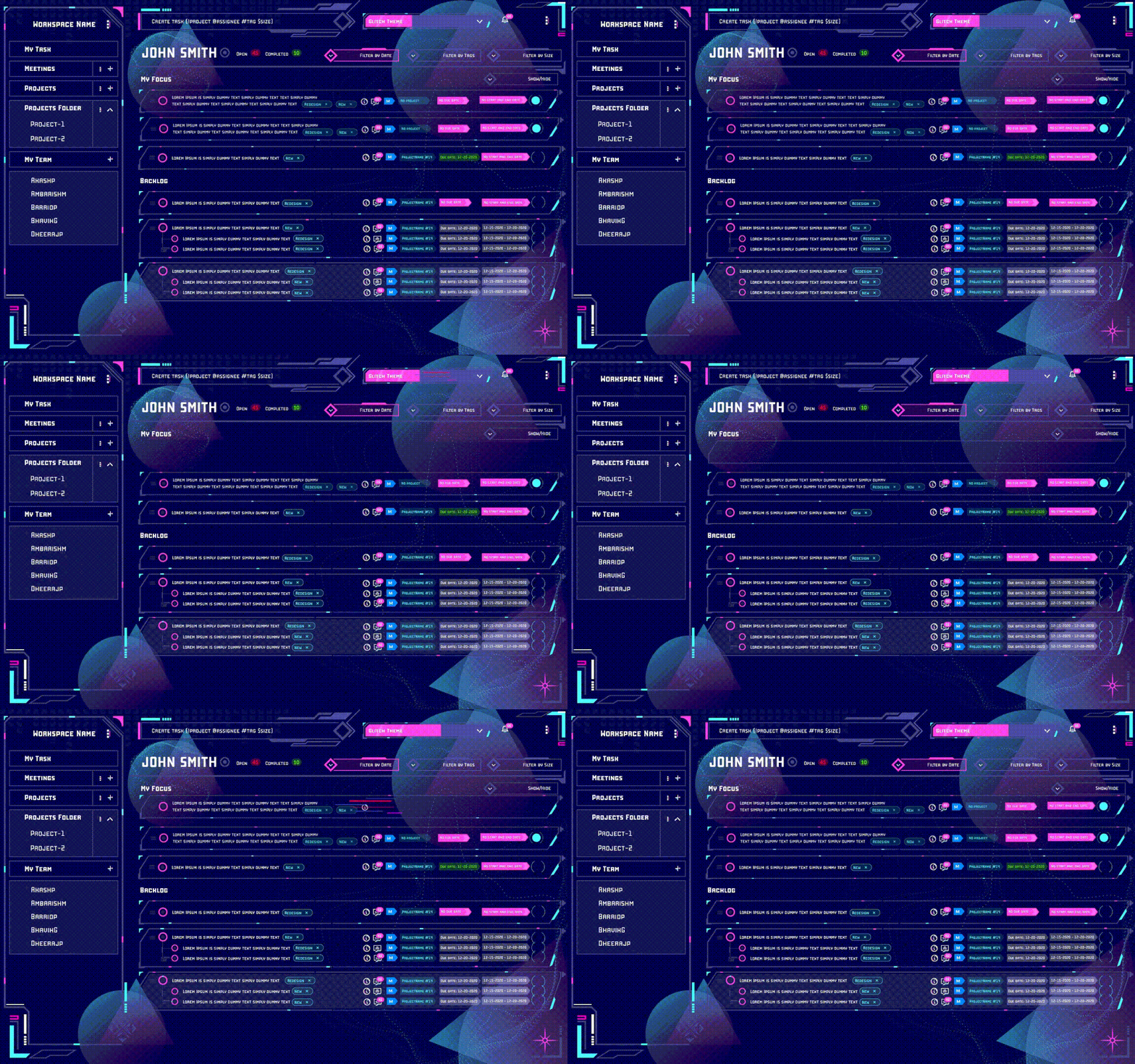
In MagicTask, themes transcend the realm of mere aesthetics. They are the vibrant soul of your workspace, offering an interactive, immersive experience that evolves with your productivity journey. One of the ways we achieve this is through dynamic triggers, a novel feature that brings your theme to life, transforming your task management into a more engaging and gratifying venture.

Dynamic triggers are a set of specific actions that, when executed, set off corresponding animations and sound effects. These could be anything from completing a task, re-ordering tasks, creating sub-tasks, or even something as simple as navigating between screens via the menu. These animations and sounds are not just fluff, they serve as instant, visual gratification that makes task completion more rewarding, and task management, in general, a lot more enjoyable.

But the magic doesn't stop there. As you level up your theme, these triggers evolve, becoming more frequent and intricate. The animations become more elaborate, the sound effects more immersive, and the overall experience more engaging. Imagine completing a task and witnessing a cascade of shimmering light sweep across your screen, or hearing a triumphant fanfare as you tick off a challenging item on your list. Each level-up reveals a new layer of interactive features that truly make your workspace come alive.

However, keep in mind that the potency of these triggers is contingent on the level of your theme. The higher the level, the more immersive the triggers. So, to unlock the full potential of these dynamic features, you need to keep leveling up. As you make progress in your productivity journey, so does your theme, unlocking more complex and engaging triggers. It’s a continuous cycle of achievement and reward, making your task management not just a chore, but a thrilling journey of discovery.

In essence, dynamic triggers in MagicTask turn your theme into a living, breathing entity. They power up your workspace, adding a layer of immersion that makes your productivity journey more tangible, more rewarding, and most importantly, more fun. So, keep leveling up and let your theme echo your accomplishments in the most vibrant way possible!

Theme Rarity and Your Productivity Journey – An Embodiment of Your Efforts and Achievements

Themes in MagicTask are not merely about aesthetics – they stand as a testament to your productivity journey. The rarity and difficulty of your theme are reflective of your path, marking your struggles and victories alike. Rarities range from common to grandmaster, indicating the uniqueness of your theme, while difficulty levels from easy to helldive X2 signify the challenges you've embraced on your productivity quest.

On a personal level, I've been enthralled by the journey of leveling up the Purple Haze theme. Classified as 'Legendary' in rarity and boasting a difficulty rating of 'Helldive X2', the Purple Haze theme represents a challenging yet rewarding endeavor. It has been my constant companion for the past four months, it's stunning visuals and immersive audio encapsulating my productivity journey.

So far, I've amassed over 100,000 points, inching closer to the ultimate level with just 26,000 points to go from a total of 128,000 points. This journey hasn't been a cakewalk by any means. Yet, the thrill of earning each point, the anticipation of unlocking the next level, the satisfaction of triggering a new animation – it's been an exhilarating ride.

The Purple Haze theme serves as a visual and aural reminder of my hard work, perseverance, and achievements. Leveling up a theme, particularly one of high rarity and difficulty, is no easy feat. However, each level unlocked is a testament to your efforts, turning your theme into a symbol of your productivity journey.

The process of nurturing and growing your theme in MagicTask is more than a productivity strategy – it's a unique narrative of your journey, filled with challenges, achievements, and personal growth.

The Future of MagicTask Themes – Embracing the Unknown, Innovating the Experience

The world of MagicTask is ever-evolving, and themes are central to this narrative of continuous innovation. As we gear up for MagicTask V3, we are poised at the threshold of exciting possibilities. While we are yet to map out the complete trajectory of the role of themes in the upcoming version, we are certain that they will play a pivotal part in shaping the future user experience.

Themes in MagicTask are not just tools to jazz up your interface. They are, essentially, your companions on your productivity journey. They level up with you, mirror your achievements, and infuse an element of gaming thrill into your daily tasks. With V3, we aim to take this experience several notches higher.

We're exploring the idea of expanding the range of themes, and introducing new ones that cater to diverse tastes and preferences. Our aim is to offer a palette of themes, each unique in its aesthetics, rarity, difficulty level, and dynamic triggers, thus ensuring that your interaction with MagicTask is truly personalized.

Furthermore, we're contemplating introducing more customization options, allowing you to fine-tune your theme to reflect your personality and style. And of course, we're planning to add even more dynamic triggers, making the process of leveling up and unlocking new features a more immersive and rewarding experience.

However, our vision for the future of MagicTask themes extends beyond these enhancements. We're working towards transforming MagicTask from a productivity tool into a full-fledged gaming experience. Imagine a world where every task completed, and every goal achieved, brings with it the thrill of reaching a new level in a game. That's the world we're aiming to create with MagicTask V3.

While the future is still being written, one thing is certain: the journey will be exciting. So stay tuned for updates, and continue to level up. In the world of MagicTask, productivity is not just about ticking off tasks from a list. It's an epic journey of personal growth, a thrilling game where every achievement is celebrated. So, equip your theme, power up your productivity, and let's create magic together!

Designing MagicTask V3: Powering Up Empathy in Our Gamified Task Management System for Hardcore Gamers

Designing MagicTask V3 Powering Up Empathy

Hey fellow gamers! This week, we've been grinding hard on the object model for MagicTask V3, nailing down those attributes and leveling up our system. But we've hit a side quest – a potential new user brought up an epic question: How will MagicTask V3 incorporate empathy in its gamification process? So, we're going to hit pause on the object model and switch to this intriguing topic. In this blog post, we'll explore this question and deep dive into how empathy can turn our gamified task management system into a next-level experience for hardcore gamers like us.

What is Empathy?

Now, as a hardcore gamer, I've come across the word "empathy" numerous times, but I never really dived into its true meaning. So, before we continue, let's power up our knowledge and get our definitions straight, shall we? According to the dictionary, empathy is "the ability to understand and share the feelings of another." In other words, it's about forming emotional connections and experiencing what others are going through.

Empathy is more than just sympathizing with someone; it's about truly grasping their emotions, challenges, and perspective. In gaming terms, think of it as stepping into another player's avatar and experiencing the game through their eyes. This powerful ability allows us to better relate to others, cooperate in a team, and create a more inclusive and enjoyable gaming environment. Empathy is an essential component of any game, especially in a gamified task management system like MagicTask V3. So, let's gear up and explore how empathy can enhance our gaming experience!

Why Empathy is Important in Gamification

Empathy

Enhanced user engagement:

Empathy levels up the connection between gamers and the gamified system. By understanding and responding to our emotional needs, the platform morphs into a more immersive, adrenaline-pumping, and enjoyable experience.

Building a supportive community:

Empathy forges a tight-knit guild where gamers feel at ease sharing their epic moments, in-game struggles, and achievements. This sense of camaraderie acts like a powerful buff, boosting motivation and resilience within the gaming community.

Better user retention:

When gamers feel understood and supported, they're more likely to stay loyal and engaged with the platform. Infusing empathy into the design can ramp up user satisfaction and inspire long-term commitment to the game.

Promotes positive behavior:

Empathy-driven design can impact how gamers interact, encouraging them to be more compassionate and supportive towards each other. This positive behavior can ultimately create a more harmonious and enjoyable gaming experience.

Human-centered design:

By focusing on empathy, designers prioritize the human aspect of the gamified system, ensuring it's not just an effective tool for leveling up our productivity, but also a genuinely emotionally engaging and meaningful experience for the gaming community.

Also Read: Designing MagicTask V3: Crafting the Ultimate Gamified Task System with ChatGPT (Part 1)

Empathy in Other Gamified Task Management Systems

In other gamified task management systems, the game devs have tapped into the power of empathy to create epic, immersive experiences that keep users hooked. For instance, they've unleashed features like customizable avatars, co-op missions, and motivational messages to forge a more player-focused environment. These platforms often rally users to share their achievements, battle strategies, and support one another in leveling up their productivity game, creating a sense of camaraderie and shared understanding.

By infusing empathy into their core game mechanics, these systems put the emotional well-being of users front and center, ensuring their task management experience is efficient and productive, emotionally rewarding, and wickedly fun. With empathy in our arsenal, we can conquer any challenge, both in-game and IRL!

Specific Examples of Empathy in Other Gamified Task Management Systems

Habitica

Habitica is a gamified task manager that allows users to create and customize avatars to represent themselves in a role-playing game-like environment. Users can collaborate and support each other in completing their tasks by joining parties and participating in group quests. This fosters empathy by allowing users to share their experiences, offer encouragement, and celebrate their victories together.

Todoist Karma

Todoist Karma is a feature within the popular task management app Todoist. It gamifies productivity by giving users a Karma score that increases as they complete tasks and maintain good habits. Users can compare their Karma scores with friends and colleagues, encouraging empathetic behavior as they recognize and celebrate each other's accomplishments.

Forest

Forest is a productivity app that incorporates empathy by helping users stay focused while also contributing to a greater cause. Users plant virtual trees while they work, and for each tree planted, real trees are planted by Forest's partner organizations. This creates a sense of empathy and shared responsibility as users work towards their personal goals and contribute to a global environmental cause.

SuperBetter

SuperBetter is a gamified task management system designed to help users build resilience and achieve their goals by completing various challenges. The app encourages users to enlist "allies" – friends or family members who can provide support and encouragement throughout the journey. This social aspect fosters empathy by creating a supportive network of people who can empathize with each other's challenges and celebrate their successes.

Beeminder

Beeminder is a goal-tracking app that incorporates empathy allowing users to pledge money on their goals. If users fail to meet their goals, the pledged amount is donated to a charity or an anti-charity (an organization the user dislikes). This unique approach to gamification encourages users to empathize with the potential recipients of their donations, creating an added layer of motivation and emotional investment in achieving their goals.

Also Read: Designing MagicTask V3: Crafting the Ultimate Gamified Task System with ChatGPT (Part 2)

How MagicTask V3 Incorporates Empathy (*Features not finalized and subject to change)

Encouraging Collaboration and Social Interaction

collaboration for completing tasks

Dude, MagicTask V3 knows how to party! With parties and guilds, you can team up with your friends to tackle tasks like a boss. Join or create a party, invite your buddies, and collaborate on projects like never before. Share progress, keep an eye on each other, and even throw down some friendly competition on the leaderboard.

Guilds in MagicTask V3 are where you can meet other peeps with the same interests or goals. Join a guild based on your favorite themes, like fitness, personal development, or productivity, and connect with others to level up together.

Personalized Avatars and Emotional Connection

MagicTask V3 ain't just about getting stuff done – it's about making it personal. Customize your avatar, deck it out with gear you earn from leveling up, and express yourself like a true gaming legend.

And guess what? MagicTask V3's got pets and bosses, too! Pets are your loyal companions, leveling up and evolving as you progress. Bond with your pets and overcome challenges together. Bosses, on the other hand, represent the big baddies you've gotta defeat. By forging an emotional connection with these in-game elements, you'll be more in tune with your own struggles and achievements, and those of your friends and fellow users.

Motivating and Supporting Users Through Gamification

MagicTask V3 uses gamification to amp up your motivation and get you pumped to reach your goals. Earn experience points, level up, and celebrate your accomplishments with achievements like unlocking new themes or nailing a certain number of tasks. It's all about that personal satisfaction, bro.

Plus, the loot drop system in MagicTask V3 is designed to reward your hard work and persistence. Score avatar accessories, power-ups, and special abilities by completing tasks and taking down bosses. These rewards not only make the user experience more epic but also give you a sense of achievement and recognition, fostering empathy for your own victories and those of others.

Adaptability to Individual Needs and Preferences

Empathy is all about understanding and adapting to the needs and preferences of others. MagicTask V3's got your back with a customizable and adaptable system that suits your style. Create and organize tasks, projects, and folders the way you like it. Choose from a variety of themes to make the user interface and overall experience match your vibe.

Whether you're into minimalism or crave a more vibrant and dynamic look, MagicTask V3 lets you tailor your experience, fostering empathy and understanding for the diverse needs and preferences of its users.

Conclusion

In conclusion, MagicTask V3 is more than just a gamified task management system – it's a game-changer that brings empathy to the forefront of productivity. With a focus on collaboration, personalization, motivation, and adaptability, it caters to the diverse needs and preferences of its users. By incorporating empathy into its core design, MagicTask V3 delivers a more engaging, supportive, and enjoyable experience for hardcore gamers and casual users alike.

So, gear up, join the party, and get ready to level up your productivity game with MagicTask V3. With its unique blend of gamification and empathy, you'll not only be smashing tasks and achieving your goals but also fostering a deeper emotional connection with your in-app persona and fellow users. It's time to unite, collaborate, and conquer the productivity world with MagicTask V3!

Designing MagicTask V3: Crafting the Ultimate Gamified Task System with ChatGPT (Part 2)

Designing MagicTask V3 with ChatGPT Part 2

Hey there, fellow productivity ninjas and gaming enthusiasts! It's time to hit "Continue" on our quest to slay procrastination, unlock epic achievements, and level up our lives. In Part 1, we introduced you to our gamified task management system and the magic of Object-Oriented UX (OOUX). We embarked on a journey through the pixelated world of our system, defining the objects, actions, and relationships that turn your daily grind into a thrilling RPG adventure. If you haven't read Part 1 yet, be sure to check it out here.

Now, hold onto your controllers and keyboards, as we dive deeper into the heart of our system. In Part 2, we'll focus on the crucial final piece of the OOUX puzzle: attributes. We'll explore how these characteristics help shape each object and enhance the overall user experience, making our gamified task management system more immersive and engaging. So grab your energy drinks, and let's power-up for a closer look at how defining attributes in OOUX levels up your productivity!

What is an Attribute in OOUX?

Hey there, gamers! Before diving deeper into our game dungeon, let's ensure we're all familiar with the basics. In the realm of Object-Oriented UX (OOUX), an attribute is a core concept you'll need to know. So, let's talk about what attributes are and why they're essential in our epic OOUX adventure.

An attribute in OOUX is a characteristic or property of an object that helps define its identity and role in the system. Think of attributes as the special traits or stats that give our game characters and items unique flavor and utility. In OOUX, these attributes provide critical information about each object, guiding us in designing the user experience around them.

For example, in our gaming system, a "Weapon" object might have attributes like "Damage," "Range," and "Durability." These attributes help shape how users interact with the weapon and how it functions in the game world.

Why are attributes crucial in OOUX? Well, my fellow dungeon-crawlers, attributes are the building blocks of a well-designed user experience. By identifying and defining the attributes of each object, we can create a more intuitive and immersive game that caters to the needs and desires of our gaming community. Attributes enable us to provide our players with clear, consistent, and engaging experiences, ensuring they return for more epic quests and boss battles.

So, as you venture forth into the OOUX world, remember to keep your attributes sharp and well-defined. They're the secret weapon that will help you level up your UX game and become the hero of your own gaming saga!

Leveling Up the Object Model in Lucidchart:

Alright, fellow gamers, after our epic back-and-forth boss battles to define and power up the attributes for each object, it was time to respawn at Lucidchart to update our legendary object model diagram. Picture this: A visual map of our gaming universe, illustrating the objects, their relationships, actions, and now, their fully-loaded attributes.

Our object model has leveled up big time since we first hit the "Start" button, and the upgraded diagram now showcases the detailed game lore we've crafted through our teamwork. In Lucidchart, I equipped my trusty mouse and keyboard, journeying through each object to add or tweak the attributes as needed based on our epic in-game dialogues.

This epic quest to update the object model in Lucidchart boosted our EXP and understanding of the gaming system and dropped some sweet loot for our team. It made it easier to visualize the intricate web of connections between different objects and sparked better communication among our fellow party members. The revamped object model in Lucidchart now stands as a comprehensive dungeon map for any future raids, ensuring that everyone's on the same guild page regarding understanding the system and its components. Let's keep grinding and unlock those achievements, gamers!

Using ChatGPT to Help Define the Attributes

As a hardcore gamer, I know the importance of having the right gear, and ChatGPT is like having a legendary sidekick, ready to assist in defining the attributes for our gamified task management system. Sure, I've got plenty of knowledge about gaming and productivity, but sometimes even the most experienced players need extra help to unlock hidden potential. That's where ChatGPT comes in.

Leveraging the power of ChatGPT, we embarked on an epic brainstorming session to identify and refine the attributes of each object in our system. We tackled this quest together, combining my gaming expertise and ChatGPT's AI-driven insights to create a robust and engaging experience for our users. The process was like a thrilling co-op mission, with ChatGPT and I bouncing ideas off each other and refining the attributes to perfection.

With ChatGPT's assistance, we managed to define attributes that not only make each object in the system unique but also enhance the overall user experience. It was like having a game designer NPC guiding us through the process, ensuring that every aspect of our gamified task management system was on point.

Thanks to this dynamic duo of my gaming know-how and ChatGPT's AI prowess, we've crafted a system with attributes that bring the world of our gamified task management system to life. And now, fellow gamers, we invite you to join us on this journey as we explore the intricacies of these attributes and level up your productivity like never before!
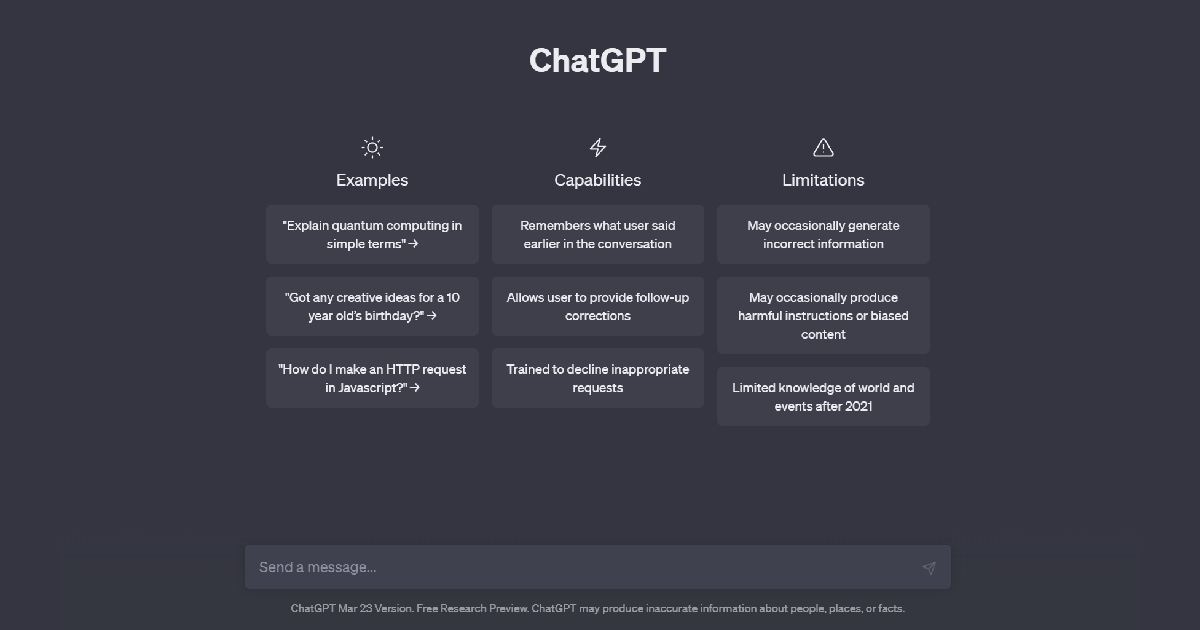
ChatGPT

Real Examples of My Conversations with ChatGPT

Example 1:

User: Hey ChatGPT, can you help me define some attributes for the "Feedback" object in our gamified task management system?

ChatGPT: Sure! Here are some attributes for the "Feedback" object:

  • Feedback ID
  • User ID
  • Feedback Type
  • Feedback Text
  • Submitted Date

User: Good start, but let's also include the status of the feedback (New, In Progress, Resolved) and the response from the admin, if any.

ChatGPT: Alright, here's the updated list of attributes for the "Feedback" object:

  • Feedback ID
  • User ID
  • Feedback Type
  • Feedback Text
  • Submitted Date
  • Status (New, In Progress, Resolved)
  • Admin Response

Example 2:

User: ChatGPT, let's work on the "Pomodoro Timer" object. Can you list some attributes for it?

ChatGPT: Sure! Here are some attributes for the "Pomodoro Timer" object:

  • Timer ID
  • User ID
  • Work Duration
  • Short Break Duration
  • Long Break Duration
  • Timer Status
  • Remaining Time

User: Good job! But, let's also include the number of completed pomodoros, start timestamp, end timestamp, and the pomodoro streak.

ChatGPT: Alright, here's the updated list of attributes for the "Pomodoro Timer" object:

  • Timer ID
  • User ID
  • Work Duration
  • Short Break Duration
  • Long Break Duration
  • Timer Status
  • Remaining Time
  • Completed Pomodoros
  • Start Timestamp
  • End Timestamp
  • Pomodoro Streak

As you can see from these real-life examples, working with ChatGPT is like having an interactive brainstorming session with a fellow gamer. While ChatGPT is a powerful AI, it still requires feedback and guidance to refine its understanding and make the best suggestions. This back-and-forth process ensures that the final list of attributes captures the essence of our gamified task management system and creates an immersive user experience.

Our dynamic collaboration allowed us to unlock hidden potential and turn our productivity system into a thrilling RPG adventure. So, fellow gamers, as you embark on your quests to level up your productivity, remember that the power of collaboration – both with fellow players and AI companions – can lead to truly epic results.

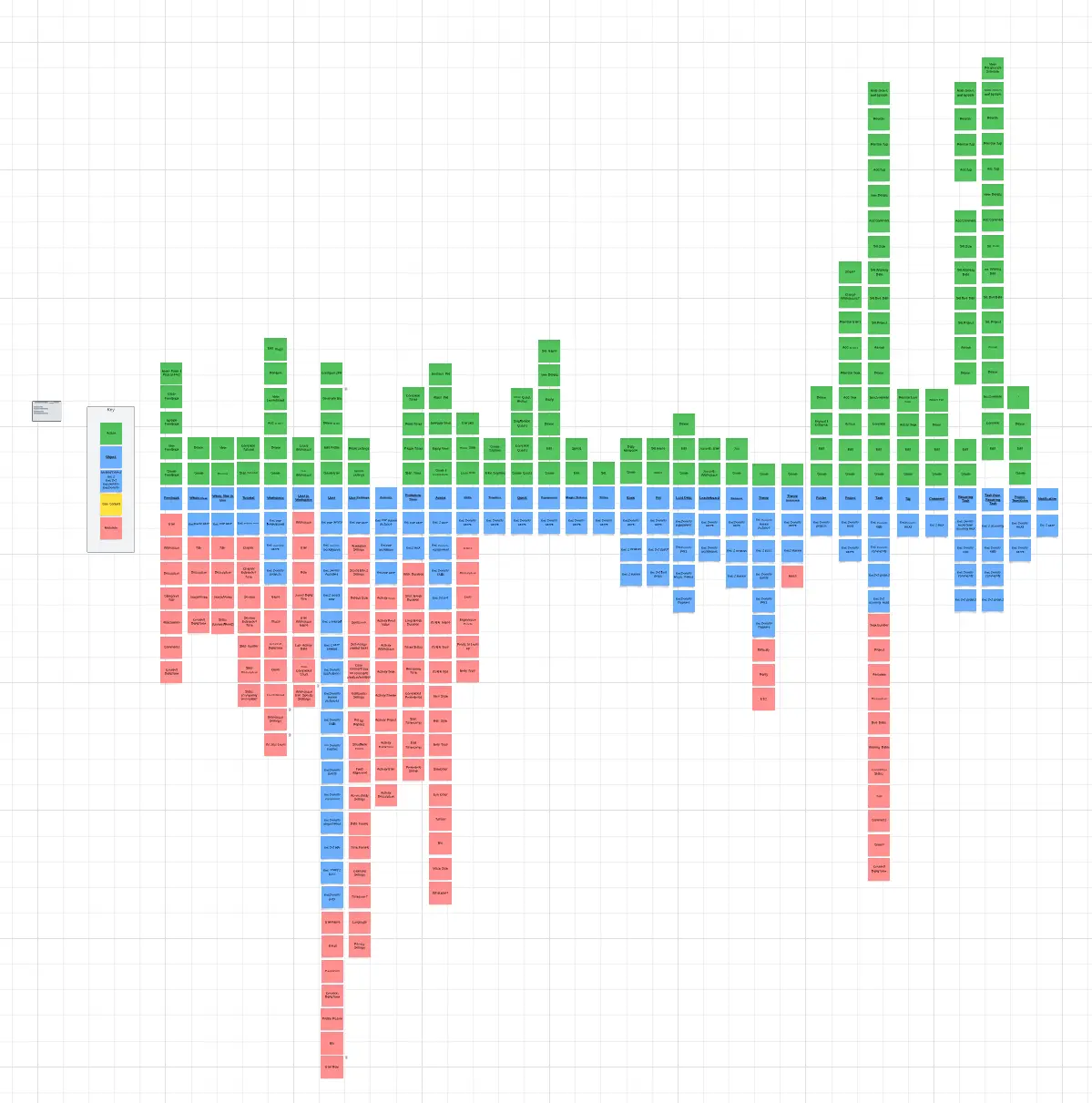
What Does the Current Object Model Look Like?

Ready for the next level, gaming aficionados and productivity champions? It's time to reveal the current object model of our gamified task management system. With OOUX as our guiding light, we've meticulously crafted a comprehensive map of our system's objects, actions, relationships, and attributes. In this section, we'll take a closer look at the overall structure, giving you a bird's-eye view of the interconnected world that awaits you. Onward, brave adventurers!
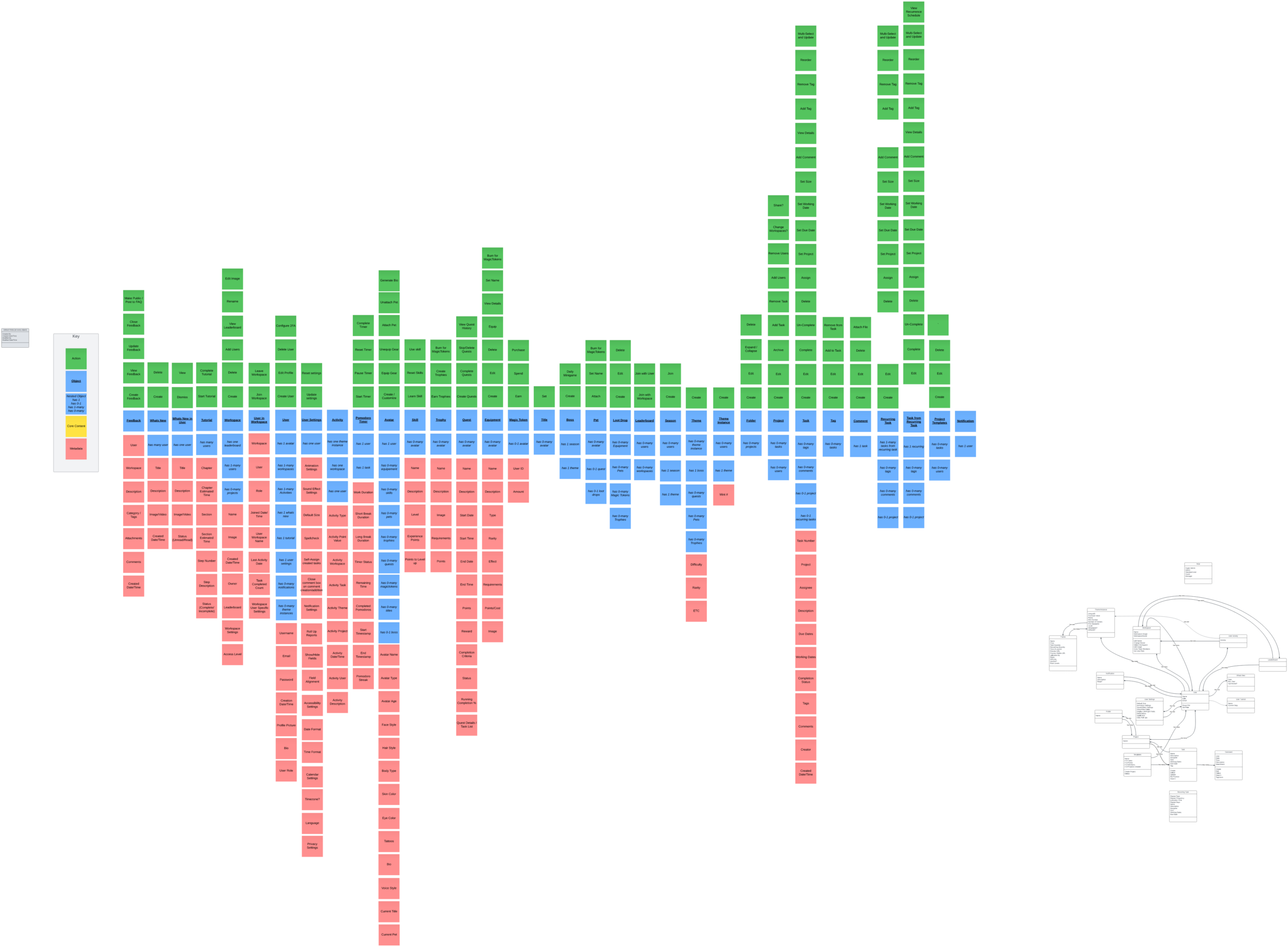
MagicTask New Object Map

Object Name:

Feedback

Description:

Feedback is a feature that allows users to communicate their thoughts, opinions, and suggestions about the platform.

Purpose:

The purpose of Feedback is to help improve the platform by gathering valuable insights and suggestions from users, allowing the development team to identify areas for improvement.

Relationships:

  • User
  • Workspace

Actions:

  • Create Feedback
  • View Feedback
  • Update Feedback
  • Close Feedback
  • Make Public/Post to FAQ

Attributes:

  • User
  • Workspace
  • Description
  • Category / Tags
  • Comments
  • Created Date / Time
  • Object Name:
  • What's New

Description:

Whats New is a feature that showcases the latest updates, features, and improvements made to the platform.

Purpose:

The purpose of Whats New is to keep users informed about the latest changes and updates, helping them stay up-to-date with the platform's development.

Relationships:

  • (None)

Actions:

  • Create
  • Delete
  • Dismiss
  • View

Attributes:

  • Title
  • Description
  • Image / Video
  • Created Date / Time

-—————————————————————————————————-

Object Name:

  • Whats New in User

Description:

Whats New in User is a personalized version of the Whats New feature, tailored to individual users.

Purpose:

The purpose of Whats New in User is to provide users with a customized view of the latest updates, ensuring that they receive information relevant to their interests and usage patterns.

Relationships:

  • (None)

Actions:

  • Dismiss
  • View

Attributes:

  • Title
  • Description
  • Image / Video
  • Status (Unread/Read)

-—————————————————————————————————-

Object Name:

  • Tutorial

Description:

Tutorial is a feature that offers step-by-step guidance to help users learn how to use the platform effectively.

Purpose:

The purpose of Tutorials is to assist new users in getting acquainted with the platform's functionalities and improve their overall user experience.

Relationships:

  • has many users

Actions:

  • Start Tutorial
  • Complete Tutorial

Attributes:

  • Chapter
  • Chapter Estimated Time
  • Section
  • Section Estimated Time
  • Step Number
  • Step Description
  • Status (Completed/Incomplete)

-—————————————————————————————————-

Object Name:

  • Workspace

Description:

Workspace is a collaborative environment where users can create, manage, and organize projects and tasks.

Purpose:

The purpose of a Workspace is to provide a centralized location for users to collaborate, track progress, and complete tasks efficiently.

Relationships:

  • has one leaderboard
  • has 1-many users
  • has 0-many projects

Actions:

  • Create
  • Delete
  • Add Users
  • View Leaderboard
  • Rename
  • Edit Image

Attributes:

  • Name
  • Image
  • Created Date/Time
  • Owner
  • Leaderboard
  • Workspace Settings
  • Access Level

-—————————————————————————————————-

Object Name:

  • User in Workspace

Description:

User in Workspace represents the relationship between a user and a workspace, defining their role, permissions, and other workspace-specific settings.

Purpose:

The purpose of User in Workspace is to manage users' access and permissions within a specific workspace, ensuring a productive and secure collaboration environment.

Relationships:

  • Workspace
  • User

Actions:

  • Join Workspace
  • Leave Workspace

Attributes:

  • Workspace
  • User
  • Role
  • Joined Date/Time
  • User Workspace Name
  • Last Activity Date
  • Task Completed Count
  • Workspace User Specific Settings

-—————————————————————————————————-

Object Name:

  • User

Description:

User represents an individual account on the platform, with their own unique settings, preferences, and interactions.

Purpose:

The purpose of a User is to provide a personalized experience for each person using the platform, allowing them to customize settings, manage tasks, and interact with other users.

Relationships:

  • has 1 avatar
  • has 1-many workspaces
  • has 1-many activities
  • has 1 whats new
  • has 1 tutorial
  • has 1 user settings
  • has 0-many notifications
  • has 0-many theme instances

Actions:

  • Create User
  • Edit Profile
  • Delete User
  • Configure 2FA

-—————————————————————————————————-

Object Name:

  • User Settings

Description:

User Settings contains various personalization options and preferences for a user's experience on the platform.

Purpose:

The purpose of User Settings is to allow users to customize their experience, making the platform more enjoyable and efficient for their needs.

Relationships:

  • has one user

Actions:

  • Update Settings
  • Reset Settings

Attributes:

  • Animation Settings
  • Sound Effect Settings
  • Default Size
  • Spellcheck
  • Self-Assign created tasks
  • Close comment box on comment creation/addition
  • Notification Settings
  • Roll up reports
  • Show/Hide fields
  • Field Adjustment
  • Accessibility Settings
  • Date Format
  • Time Format
  • Calendar Settings
  • Timezone
  • Language
  • Privacy Settings

-—————————————————————————————————-

Object Name:

  • Activity

Description:

Activity is a record of a user's actions within the platform, such as completing tasks or participating in events.

Purpose:

The purpose of an Activity is to track user engagement, monitor progress, and provide insights into user behavior.

Relationships:

  • has one theme instance
  • has one workspace
  • has one user

Attributes:

  • Activity Type
  • Activity Point Value
  • Activity Workspace
  • Activity Task
  • Activity Theme
  • Activity Project
  • Activity Date/Time
  • Activity User
  • Activity Description

-—————————————————————————————————-

Object Name:

  • Pomodoro Timer

Description:

Pomodoro Timer is a time management tool that helps users break their work into intervals, typically 25 minutes, separated by short breaks.

Purpose:

The purpose of a Pomodoro Timer is to improve focus and productivity by promoting structured work and break sessions, ultimately reducing mental fatigue.

Relationships:

  • has one user
  • has 1 task

Actions:

  • Start Timer
  • Pause Timer
  • Reset Timer
  • Complete Timer

Attributes:

  • Work Duration
  • Short Break Duration
  • Long Break Duration
  • Timer Status
  • Remaining Time
  • Completed Pomodoros
  • Start Timestamp
  • End Timestamp
  • Pomodoro Streak

-—————————————————————————————————-

Object Name:

  • Avatar

Description:

Avatar represents a user's virtual persona within the platform, which can be customized and upgraded with various attributes, such as equipment, skills, and pets.

Purpose:

The purpose of an Avatar is to gamify the user experience, providing a sense of personalization and accomplishment as users progress and achieve milestones.

Relationships:

  • has one user
  • has 0-many equipment
  • has 0-many skills
  • has 0-many pets
  • has 0-many trophies
  • has 0-many quests
  • has 0-many MagicTokens
  • has 0-many titles
  • has 0-1 boss

Actions:

  • Create/customize
  • Equip Gear
  • Unequip Gear
  • Attach Pet
  • Unattach Pet
  • Generate Bio

-—————————————————————————————————-

Object Name:

  • Skills

Description:

Skills represent abilities and knowledge that a user's avatar can acquire, learn, and develop within the platform.

Purpose:

The purpose of Skills is to enhance user engagement and motivation by providing a sense of progression and achievement as users improve their avatars.

Relationships:

  • has 0-many avatar

Actions:

  • Learn Skills
  • Reset Skills
  • User Skill

Attributes:

  • Name
  • Description
  • Level
  • Experience Points
  • Points to Level up

-—————————————————————————————————-

Object Name:

  • Trophies

Description:

Trophies are virtual awards that a user's avatar can earn for accomplishing specific goals or milestones within the platform.

Purpose:

The purpose of Trophies is to provide users with a sense of achievement, motivation, and recognition for their accomplishments in the system.

Relationships:

  • has 0-many users

Actions:

  • Earn Trophies
  • Create Trophies

-—————————————————————————————————-

Object Name:

  • Quest

Description:

Quests are challenges or tasks that a user's avatar can complete to earn rewards, such as equipment, pets, MagicTokens, and Trophies.

Purpose:

The purpose of Quests is to encourage user engagement, foster a sense of adventure, and promote the completion of tasks and activities within the platform.

Relationships:

  • has 0-many users

Actions:

  • Create Quests
  • Complete Quests
  • Skip/Delete Quests
  • View Quest History

-—————————————————————————————————-

Object Name:

  • Equipment

Description:

Equipment consists of items that a user's avatar can acquire, wear, and utilize to enhance its abilities, appearance, and performance within the platform.

Purpose:

The purpose of Equipment is to provide users with a sense of progression, customization, and personalization for their avatars while also enhancing their abilities.

Relationships:

  • has 0-many users

Actions:

  • Create
  • Edit
  • Delete
  • Equip
  • View Details
  • Set Name

-—————————————————————————————————-

Object Name:

  • Magic Tokens

Description:

Magic Tokens are a form of virtual currency that users can earn and spend within the platform on various items, such as equipment, pets, and other in-game perks.

Purpose:

The purpose of Magic Tokens is to incentivize users to engage with the platform, complete tasks, and participate in activities by rewarding them with a currency they can use to enhance their experience.

Relationships:

  • has 0-many users

Actions:

  • Earn
  • Spend

-—————————————————————————————————-

Object Name:

  • Titles

Description:

Titles are customizable labels that users can earn and assign to their avatars as a form of recognition for their achievements and status within the platform.

Purpose:

The purpose of Titles is to provide users with a way to showcase their accomplishments and establish a sense of identity within the platform.

Relationships:

  • has 0-many users

Actions:

  • Set

-—————————————————————————————————-

Object Name:

  • Boss

Description:

A Boss is a powerful, unique enemy that a user's avatar can battle during special events, such as seasonal or themed encounters.

Purpose:

The purpose of Bosses is to create exciting challenges and memorable experiences for users within the platform, encouraging them to engage with the system and collaborate with others to overcome these challenges.

Relationships:

  1. has 0-many users
  2. has 1 season
  3. has 1 theme

Actions:

  • Create

-—————————————————————————————————-

Object Name:

  • Pet

Description:

Pets are virtual companions that users can acquire, customize, and interact with within the platform. Pets may also provide various in-game benefits or participate in quests and activities.

Purpose:

The purpose of Pets is to enrich the user experience within the platform, offering users a customizable and engaging element that can also help them progress in the system.

Relationships:

  • has 0-many users
  • has 0-1 quests
  • has 0-1 loot drops

Actions:

  • Attach
  • Set name

-—————————————————————————————————-

Object Name:

  • Loot Drops

Description:

Loot Drops are randomized rewards that users can obtain by participating in activities, completing quests, or achieving specific milestones within the platform. Loot Drops may contain equipment, pets, MagicTokens, trophies, and other valuable items.

Purpose:

The purpose of Loot Drops is to incentivize user engagement within the platform by offering a chance to obtain valuable and unique rewards, thus increasing motivation and overall enjoyment.

Relationships:

  • has 0-many Equipment
  • has 0-many Pets
  • has 0-many MagicTokens
  • has 0-many Trophies

Actions:

  • Create
  • Edit

Delete

Object Name:

  • Leaderboard

Description:

A Leaderboard is a ranking system that displays the top-performing users within a specific workspace or across multiple workspaces, based on their achievements and accomplishments.

Purpose:

The purpose of Leaderboards is to encourage friendly competition and motivate users to engage more actively within the platform.

Relationships:

  • has 0-many users
  • has 0-many workspaces

Actions:

  • Join with Workspace
  • Join with User

-—————————————————————————————————-

Object Name:

  • Season

Description:

A Season is a time-limited event within the platform that offers unique challenges, quests, and rewards for users. Each Season usually revolves around a specific theme and may introduce new content.

Purpose:

The purpose of Seasons is to keep the platform fresh and engaging for users by offering time-limited content and rewards, encouraging users to participate more actively during the event.

Relationships:

  • has 0-many users
  • has 1 season
  • has 1 theme

Actions:

  • Create
  • Join

-—————————————————————————————————-

Object Name:

  • Theme

Description:

A Theme is a central concept or motif that defines the visual and narrative elements of a Season, Boss, or other aspects of the platform. Themes may introduce new quests, pets, trophies, and other content related to the specific motif.

Purpose:

The purpose of Themes is to provide a cohesive and immersive experience for users, offering new content and challenges that align with the overall concept.

Relationships:

  • has 0-many theme instances
  • has 1 boss
  • has 0-many quests
  • has 0-many pets
  • has 0-many trophies

Actions:

  • Create

-—————————————————————————————————-

Object Name:

  • Theme Instance

Description:

A Theme Instance is a user's personalized instance of a specific Theme, tracking their progress, achievements, and rewards associated with that Theme.

Purpose:

The purpose of Theme Instances is to provide users with a tailored experience within a Theme, allowing them to track their progress and accomplishments.

Relationships:

  • has 0-many users
  • has 1 theme

Actions:

  • Create

-—————————————————————————————————-

Object Name:

  • Folder

Description:

A Folder is an organizational tool within the platform that allows users to group and manage multiple Projects together for easier navigation and management.

Purpose:

The purpose of Folders is to help users keep their work organized and structured, making it simpler to find, access, and manage their Projects.

Relationships:

  • has 0-many projects

Actions:

  • Create
  • Edit
  • Expand / Collapse
  • Delete

-—————————————————————————————————-

Object Name:

  • Project

Description:

A Project is a specific initiative or goal within the platform that consists of multiple Tasks to be completed by users. Projects can be assigned to different Workspaces and can involve collaboration among multiple users.

Purpose:

The purpose of Projects is to help users break down larger objectives into smaller, manageable Tasks, facilitating collaboration and progress tracking.

Relationships:

  • has 0-many tasks
  • has 0-many users

Actions:

  • Create
  • Edit
  • Archive
  • Add Task
  • Remove Task
  • Add Users
  • Remove Users
  • Change Workspaces
  • Share

-—————————————————————————————————-

Object Name:

  • Task

Description:

A Task is a single unit of work within a Project, representing an action or objective that needs to be completed by a user or a group of users.

Purpose:

The purpose of Tasks is to help users manage and track their progress towards completing Projects by breaking them down into smaller, actionable steps.

Relationships:

  • has 0-many tags
  • has 0-many comments
  • has 0-1 project
  • has 0-1 recurring task

Actions:

  • Create
  • Edit
  • Complete
  • Un-Complete
  • Delete
  • Assign
  • Set Project
  • Set Due Date
  • Set Working Date
  • Set Size
  • Add Comment
  • View Details
  • Add Tag
  • Remove Tag
  • Re-Order
  • Multi-Select and Update

-—————————————————————————————————-

Object Name:

  • Tag

Description:

A Tag is a label that can be attached to Tasks, allowing users to categorize, filter, and organize them based on specific criteria or themes.

Purpose:

The purpose of Tags is to enhance task organization and enable users to quickly find and manage tasks that share common characteristics or belong to specific categories.

Relationships:

  • has 0-many tasks
  • Actions:
  • Create
  • Edit
  • Add to Task
  • Remove from Task

-—————————————————————————————————-

Object Name:

  • Comment

Description:

A Comment is a piece of feedback or communication that can be added to a Task by a user, allowing for discussion and collaboration among team members.

Purpose:

The purpose of Comments is to facilitate communication and collaboration among users, allowing them to share ideas, ask questions, and provide updates on task progress.

Relationships:

  • has 1 task

Actions:

  • Create
  • Edit
  • Delete
  • Attach File

-—————————————————————————————————-

Object Name:

  • Recurring Task

Description:

A Recurring Task is a task that repeats on a regular basis, based on a specified frequency or schedule. It is a specialized type of task that generates new instances of itself according to the defined recurrence pattern.

Purpose:

The purpose of Recurring Tasks is to help users manage and track tasks that need to be completed on a recurring basis, ensuring that they are consistently addressed without the need for manual duplication.

Relationships:

  • has 1-many task from recurring task
  • has 0-many tags
  • has 0-many comments
  • has 0-1 project

Actions:

  • Create
  • Edit
  • Delete
  • Assign
  • Set Project
  • Set Due Date
  • Set Working Date
  • Set Size
  • Add Comment
  • Add Tag
  • Remove Tag
  • Re-Order
  • Multi-Select and Update

-—————————————————————————————————-

Object Name:

Task from Recurring Task

Description:

A Task from Recurring Task is a single instance of a Recurring Task, created according to the recurrence pattern defined for the parent Recurring Task.

Purpose:

The purpose of Tasks from Recurring Tasks is to help users manage and track individual occurrences of a recurring task, allowing them to edit, complete, or delete specific instances without affecting the overall recurrence pattern.

Relationships:

  • has 1 recurring task
  • has 0-many tags
  • has 0-many comments
  • has 0-1 project

Actions:

  • Edit
  • Complete
  • Un-Complete
  • Delete
  • Assign
  • Set Project
  • Set Due Date
  • Set Working Date
  • Set Size
  • Add Comment
  • View Details
  • Add Tag
  • Remove Tag
  • Re-Order
  • Multi-Select and Update

-—————————————————————————————————-

Object Name:

  • Templates

Description:

A Template is a predefined structure for Projects or Tasks that can be used to quickly create new instances with similar configurations, saving time and promoting consistency across the system.

Purpose:

The purpose of Templates is to streamline the creation process of Projects and Tasks, ensuring that users can quickly and consistently set up new items with the desired structure and settings.

Relationships:

  • has 0-many tasks
  • has 0-many users

Actions:

  • Create
  • Edit
  • Delete
  • Create project from template

-—————————————————————————————————-

Object Name:

  • Notification

Description:

A Notification is a message or alert that informs a User about important events, updates, or actions related to their work or the system itself.

Purpose:

The purpose of Notifications is to keep Users informed about relevant events and updates, ensuring that they are aware of important changes, new assignments, or deadlines that require their attention.

Relationships:

  • has 1 user

Conclusion

And so, fellow gamers and productivity warriors, we've reached the end of Part 2 of our epic journey through the world of our gamified task management system. We delved deeper into the realm of OOUX, shedding light on the attributes of each object, and showcased how ChatGPT played an invaluable role in brainstorming and refining the system's components. Together, we traversed the landscape of our object model, taking you on a guided tour of its interconnected elements.

But fear not, our adventure is far from over. In the upcoming Part 3 of this thrilling saga, we'll delve even further into the heart of our system, defining the acceptance criteria for each action and generating a comprehensive PRD (Product Requirements Document) that will guide our intrepid design team as they bring our gamified task management system to life. So, stay tuned, and prepare for the next level of our quest to conquer productivity and transform our daily tasks into a captivating RPG experience!

Designing MagicTask V3: Crafting the Ultimate Gamified Task System with ChatGPT (Part 1)

Designing MagicTask V3 with ChatGPT

What do you get when you cross a hardcore gamer passionate about productivity? A quest to create the ultimate gamified task management system, of course! As the creator of MagicTask V2 and a gaming enthusiast, I've always been on a mission to level up in life and the digital world. When I first developed MagicTask V2, it was designed to be fast, easy to understand, and fun to use. With a track record of 174 updates since its inception in 2019, MagicTask V2 has gained popularity for its unique features, like customizable themes that offer animations and sound effects.
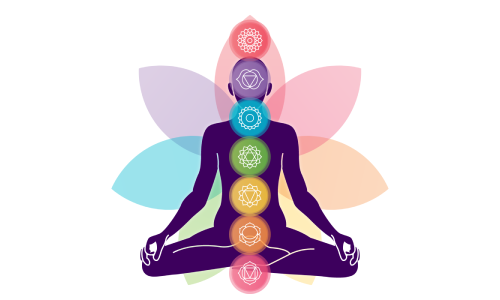
Now, I'm ready to take it to the next level with MagicTask V3. The plan is to add a full gamification layer on top of the existing system, providing users with a more immersive and engaging experience. 

In this blog post, I'll share my journey of designing the object map for MagicTask V3, utilizing the power of ChatGPT, an advanced AI language model developed by OpenAI. So, grab your potions and sharpen your swords, fellow gamers – let's embark on this epic adventure together!

You know you're a hardcore gamer when your idea of a productive day involves leveling up your task management system, am I right?

Researching: What Makes a Good Game?

Game Design Process

Before diving into the design process, I set out on a quest to understand what makes a good game. After all, you can only create an epic gamified task system by knowing the key components that make games engaging and immersive. To gain a deeper understanding of the critical elements that make games enjoyable, I embarked on a journey through the realms of game design literature, expert opinions, and analysis of successful games.

After exploring various sources and compiling my findings, I discovered that good games generally have the following key components:

Autonomy: Giving players the freedom to make choices and decisions within the game. This sense of control allows players to explore the game world at their own pace and develop their own unique playstyle. Autonomy in games can be achieved through branching narratives, customizable characters, or open-world environments that encourage exploration.

Competence: Challenging the player's skills and rewarding them for their mastery. Competence is the feeling of accomplishment players experience when they successfully overcome challenges and obstacles in a game. To promote competence, games should offer a balanced difficulty curve, with challenges that are neither too easy nor too difficult, and provide meaningful rewards and feedback for progress.

Relatedness: Promoting connections and support between players. Good games foster a sense of community and belonging, allowing players to interact, cooperate, and compete with others. Multiplayer modes, in-game chat systems, and social features like leaderboards and achievements can all contribute to enhancing relatedness.

Immersion: Creating a rich and believable game world in which players can lose themselves. Immersion is achieved through a combination of factors such as detailed environments, compelling narratives, and realistic sound design. The more immersive a game is, the more likely players are to become emotionally invested in the game world and its characters.

Novelty and variety: Offering new experiences and challenges to keep players engaged. To prevent boredom and stagnation, a good game should present fresh content and gameplay elements throughout the experience. This can be achieved through diverse-level design, a variety of game mechanics, and a steady stream of new content or updates.

Clear goals and objectives: Providing players with a sense of direction and purpose. Good games give players a clear understanding of what they need to achieve and how to do it. This can involve explicit objectives, such as quests or missions, or more subtle goals that emerge naturally from the game world and its narrative.

By understanding and incorporating these key components, game designers can create engaging and immersive experiences that resonate with players and keep them coming back for more. With these insights in hand, I set out to craft a gamified task system that would cater to the needs of hardcore gamers like myself while also providing a powerful productivity tool.

Also Read: Gamification in Task Management: How It's Changing The Way We Work?

What Will Make MagicTask V3 a Good Game?

Taking into account the key components of a good game, we've carefully designed MagicTask V3 to be an engaging and immersive gamified task management system. Below are some of the ways in which MagicTask V3 will incorporate these elements to make it a fun and addictive experience for users:

Autonomy: We want to empower users with the ability to customize their MagicTask experience. Some features that will enhance autonomy include:

  • Choosing your theme for each season.
  • Customizing your avatar with unique equipment and accessories.
  • Selecting daily quests and setting personal goals.
  • Targeting specific trophies and achievements to unlock.
  • Earning custom titles upon leveling up, like "Grandmaster" or "King."
  • Making strategic decisions when choosing loot drops or spending Magic Tokens.
  • Offering different strategies to attack the seasonal "boss."

Competence: MagicTask V3 will challenge users' skills and help them improve their productivity. Some features that promote competence are:

  • Earning more points and rewards through efficient time management.
  • Setting and tracking progress on personal productivity goals.
  • Optimizing avatar equipment for maximum points and loot drops.
  • Offering varying difficulty levels for quests and challenges to cater to different skill levels.

Relatedness: MagicTask V3 will foster connections and support among users. Here's how we plan to enhance relatedness:

  • Collaborating with other users to defeat the season/theme boss.
  • Working together with your workspace team to tackle the season workspace boss.
  • Comparing personal and team rankings on global and workspace leaderboards.
  • Sharing achievements and trophies with others to celebrate accomplishments and encourage friendly competition.

Immersion: To create an immersive experience, MagicTask V3 will include:

  • High-quality animations and sound effects for completing tasks, leveling up, and engaging in boss battles.
  • A rich, visually appealing interface with unique themes and customizable elements.
  • A compelling narrative that ties together seasonal themes and boss battles, providing a sense of continuity and progression.

Novelty and variety: To keep users engaged, MagicTask V3 will offer a variety of challenges and rewards:

  • Diverse daily quests and challenges that require different skill sets and strategies.
  • Regular updates introducing new themes, equipment, and other content.
  • Randomized loot drops and rewards to keep users excited and engaged.

Clear goals and objectives: MagicTask V3 will provide users with a clear sense of direction and purpose:

  • Well-defined tasks, quests, and challenges with specific goals.
  • A progress tracking system that helps users visualize their accomplishments.
  • In-game milestones and achievements that encourage users to strive for personal improvement.

By incorporating these elements, we aim to make MagicTask V3 an enjoyable and engaging game that also serves as a powerful productivity tool. The fusion of gaming and task management will provide a unique experience that motivates users to level up their real-life skills and achievements.

Introducing OOUX: A Foundation for Design

OOUX

Before diving into the creation of the object map for MagicTask V3, it's essential to understand the design methodology that underpins it: Object-Oriented UX (OOUX). Developed by Sophia Prater, OOUX is a user experience design framework that focuses on designing systems around real-world objects and their relationships rather than individual pages or screens. By embracing OOUX, designers can create more intuitive, efficient, and user-friendly digital experiences. To learn more about OOUX, you can visit the official website.

Sophia Prater is a UX designer, strategist, and speaker who specializes in OOUX. She has worked with numerous clients, including CNN, The Home Depot, and ADP, to help them create intuitive and user-friendly digital experiences. Sophia has also conducted workshops and shared her expertise on OOUX at various conferences and events.

The OOUX framework consists of several key principles:

Object-first design: In OOUX, designers focus on identifying the essential objects within a system rather than starting with individual pages or screens. By concentrating on the objects, designers can create a more coherent and user-friendly experience.

Clear object definitions: Each object in an OOUX system should be clearly defined, with a specific purpose and a set of attributes that describe it. This clarity helps designers understand the system's structure and ensures consistency across the project.

Object relationships: OOUX emphasizes the importance of understanding and mapping the relationships between objects in a system. By outlining these relationships, designers can create more intuitive navigation and interaction flow for users.

User-focused design: OOUX is ultimately focused on creating digital experiences that are user-friendly and intuitive. By designing systems around real-world objects and their relationships, OOUX makes it easier for users to understand and navigate digital products.

By employing the OOUX methodology, I aimed to create an object map for MagicTask V3 that is both intuitive and engaging for users. By focusing on the essential objects within the system, such as users, tasks, avatars, equipment, and achievements, I was able to design a cohesive and user-friendly experience that aligns with the principles of successful game design.

Creating the Object Map with ChatGPT

As a gamer, I know that the key to creating an epic adventure lies in the details. So, for MagicTask V3, I decided to take a strategic approach to designing its features by creating an object map. An object map is a visual representation of the main objects in a system, along with their attributes and relationships. It helps to create a clear structure, avoid redundancy, and ensure that all objects and features are well-integrated.

Object map example

To level up my object map game, I turned to ChatGPT. It can generate human-like text, making it an invaluable ally in brainstorming ideas and fleshing out the details of the object map. Here's how I harnessed the power of ChatGPT to create a well-crafted object map for MagicTask V3:

Brainstorming objects and features: I began by discussing my ideas with ChatGPT, who provided suggestions for additional objects and features that would make MagicTask V3 more engaging and rewarding. By leveraging ChatGPT's vast knowledge base, I was able to uncover innovative ideas that I might not have considered otherwise.

Refining objects and their attributes: After generating an initial list of objects, I worked with ChatGPT to refine and expand their attributes. This involved defining each object's properties, actions, and states. ChatGPT helped me think through the possible interactions between objects and users, ensuring that the features were well thought out and engaging.

Mapping object relationships: With a solid understanding of the objects and their attributes, I collaborated with ChatGPT to establish the relationships between the objects. This involved identifying how objects are connected, dependent, or influenced by each other. ChatGPT's ability to process and analyze complex relationships helped me create a coherent and well-structured object map.

Validating and iterating the object map: The final step was to validate the object map by checking for consistency and completeness. I discussed the object map with ChatGPT, who provided insights into potential gaps or redundancies in the design. Based on the feedback, I iterated on the object map, fine-tuning the objects, attributes, and relationships to ensure a seamless and immersive gaming experience.

Creating a "gamer-approved" design: Throughout the process, ChatGPT helped me maintain a gamer-centric approach to designing MagicTask V3. This AI-powered brainstorming session ensured that the final object map was aligned with the elements of a good game, providing users with an engaging and motivating task management system.

MagicTask Objectmap

By enlisting the help of ChatGPT, I was able to create a detailed and well-structured object map that laid the foundation for MagicTask V3's gamified features. This collaboration between humans and AI provided a unique perspective and creative edge, allowing me to craft a gaming experience that will level up productivity for MagicTask users. The boss battle of task management awaits, and with ChatGPT on my side, I'm confident that MagicTask V3 will be an epic adventure for all users!

Utilizing ChatGPT to Write This Blog Post

ChatGPT

After successfully training ChatGPT on MagicTask V3 and creating the object map, I discovered the true potential of this AI language model extends beyond just game design. In fact, I've been able to harness the power of ChatGPT to write this very blog post that you're reading right now.

With ChatGPT now well-versed in MagicTask V3's concepts, mechanics, and objectives, I found it incredibly helpful in assisting me with the writing process. It not only saved me time and effort but also provided valuable insights and suggestions throughout the development of this blog.

As I worked on each section, I engaged in a back-and-forth dialogue with ChatGPT, providing it with prompts and receiving relevant and well-structured outputs in return. The AI's ability to understand the context and intricacies of MagicTask V3 has been instrumental in creating a coherent and engaging narrative that accurately reflects my journey in designing the gamified task management system.

Of course, getting ChatGPT fully trained and aligned with the project's requirements took effort and multiple iterations. However, the investment in time and energy has paid off significantly, as AI has become an invaluable asset for designing MagicTask V3 and helping me communicate my ideas and experiences through this blog post.

The collaboration between human expertise and AI, demonstrates the immense possibilities that lie ahead in various fields, including game design, content creation, and more. By leveraging AI assistance, we can continue to push boundaries, enhance productivity, and elevate the quality of our work across multiple domains.

Conclusion

As we continue our journey of designing MagicTask V3, it's important to remember that nothing is set in stone. We are constantly iterating, refining, and making changes to the design and features daily, ensuring we create the best possible gamified task management system for our users. Our collaboration with ChatGPT has been instrumental in this process, helping us to streamline our workflow and generate new ideas.

Our current goal is to have a fully working, clickable Figma prototype ready by July 1st, which will serve as the foundation for the development phase of MagicTask V3. Starting development around that time will allow us to refine the system further, taking into account user feedback and any new insights we gain along the way.

In conclusion, the fusion of human creativity and AI assistance, as exemplified by our work with ChatGPT, holds immense potential for the future of game design and many other fields. As we progress with MagicTask V3, we are excited about the possibilities that lie ahead and the positive impact this gamified task management system will have on the lives of our users. Stay tuned for updates on our progress, and get ready to level up your productivity game!

Role of Mindfulness in Our Daily Routine and How to Incorporate It Effectively

How to Incorporate Mindfulness

The human mind is powerful; evolution spent millions of years creating an effective survival tool. In some ways, it is the brain's projection of itself, so powerful that for a long time, human beings believed that the mind is a separate entity.

It can do incredible things, collect inputs from multiple sources, analyze them, and identify possible outcomes. We can describe it as being designed to help humans overcome our biggest challenges.

But as powerful as it is, we know it is not perfect. It often needs constant stimulus, and our minds wander in search of it, making us distracted when we try to focus.

Mindfulness is a popular technique that has gained a lot of popularity over the last decade that promises to help us stay in the present.

What is Mindfulness in Simple Terms?

Mindfulness is keeping your mind in the present, being aware of what is happening in your surroundings, and not getting distracted by random thoughts. Simply put, it's having your mind where you are at.

For example, when we are doing activities that take little focus — doing the laundry or washing the dishes — our minds wander off into other activities or thoughts. We may start daydreaming, thinking about our business, or planning our next vacation. Mindfulness is about preventing exactly this and putting all of your focus on what you're doing at the moment.

The last two decades have seen many celebrities promoting mindfulness, and many coaches have started offering programs to help you become mindful. But the techniques or concepts are much older and began with ancient Hindu and Buddhist traditions. These traditions have defined what mindfulness is and how someone can practice it.

Since the 1970s, there has been considerable interest in psychology regarding mindfulness. Many researchers have conducted detailed studies on mindfulness and its benefits. Meta-analysis of these researches has shown promising results for mental and physical health.

Many schools, prisons, veterans' programs, and hospitals offer mindfulness programs. Dedicated practitioners have often shown a better sense of self-awareness and emotional regulation.

There are three main ways to view or understand mindfulness: as a trait, state, and practice. Mindfulness is a trait when you consider it a character disposition; some people are more aware or mindful.

Mindfulness

Mindfulness as a state is when a practitioner is mindful or more aware when they are practicing the technique. The various breathing and meditation techniques to become mindful are also referred to as mindfulness.

Mindfulness practitioners use various techniques to become more aware, but most of them are centered around breathing techniques. There are many apps and programs that help users get started with mindfulness through guided meditation.

Benefits of Mindfulness in Our Daily Routine

Over the years, there has been a lot of research into how mindfulness affects or benefits various aspects of life. These studies have shown significant benefits of practicing mindfulness in our daily lives. Here are a few:

Reduces stress

One of the main contributors to stress is having too many random thoughts in our minds. Instead of processing one aspect after another, when all of it comes at us at a go, we struggle to manage them and get stressed out. Practicing mindfulness gives our minds more space to handle our individual thoughts or worries. Instead of storming our minds or competing for our limited cognitive space, we become more capable of tackling them one after another.

Research has shown a significant reduction in stress for people who practice mindfulness regularly. MBSR, or Mindfulness-Based Stress Reduction Program, developed at Massachusetts Medical Center, is a proven technique that has helped adults of all ages manage their stress.

Improves focus

It isn't easy to focus on just one thing or the task that we're working on at the moment if our minds keep wandering off. We may spend a lot of time attempting to work but may actually get very little done if we can't focus.

This is particularly the case if you're trying to think of solutions to a problem or brainstorming ideas for a project. We may just sit in front of our laptops or notebooks for a moment, and the next moment our mind may be wandering down the streets of Paris or sitting in a cafe in Amsterdam.

By practicing mindfulness, we can gain more control over our minds. We can focus better on our tasks and complete them on time without distractions. Research has shown that people who practice mindfulness are able to manage their attention more effectively.

Improves mental health

Mental Health

Mindfulness has been proven to help improve many aspects of mental health for practitioners. It has shown promising results in assisting individuals with depression and anxiety. In fact, psychologists have come up with many therapy techniques rooted in mindfulness.

For example, Mindfulness-Based Cognitive Therapy, or MBCT, has been proven to help people from relapsing into depression and patients with major depressive disorder manage their symptoms. The technique combines educating patients about depression and being aware of their feelings and emotions but, at the same time, not reacting to them.

Mindfulness techniques have also been employed in patients with eating disorders and helping people manage chronic pain. Many studies and research have shown significant benefits of mindfulness in helping people with different types of cancers in managing their pain and mental health.

Mindfulness has also effectively managed insomnia, substance addiction, and social anxiety. The techniques have been shown to help people have better control over their emotions.

Dialectical behavior therapy, commonly used to help patients with borderline personality disorder, has taken many elements from mindfulness techniques. It has shown consistent results in helping people with the condition.

Improves physical health

Improvements in mental health usually positively impact physical health as well. For instance, when you're under a lot of stress, the body produces stress hormones, which can negatively impact your body in the long run. In the case of mindfulness techniques, using them to reduce stress has shown changes in the genetic expression of individuals and lowered their risk of inflammatory diseases.

Besides, many coaches and sporting teams have employed mindfulness techniques to improve athletic performance. It can help manage blood pressure and improve sleep.

Mindfulness-Based Stress Reduction techniques have also been correlated with improvements in the immune system. It has also shown a correlation with increased telomere length — usually meaning better cell division and reduced genetic material loss as a person ages. Increased telomere length is correlated with a longer lifespan and less likelihood of chronic health conditions.

Researchers have also found a strong correlation between the gyrification in the human brain and the number of years the individual has practiced mindfulness. Gyrification, or the formation of folds in the grey matter, usually correlates to improved processing capabilities and the ability to adapt. It also helps the brain transmit information more quickly and efficiently.

Improves confidence and self-awareness

Individuals who practice mindfulness are more confident and aware of themselves. They're in better charge of their emotions or how they express them and tend to be more responsible and authentic. They tend to accept themselves and their emotions better and often have a more coherent sense of identity.

Many studies have found that mindfulness helps people showcase empathy and compassion toward others.

Reduces biases toward age and race

This may not seem like the most obvious benefit and may be hard to fathom, but an interesting study from 2014 explored how mindfulness changed biases. The study tested how people reacted or people of different ages and racial groups. The study showed that the participants weren't just more aware of their biases but that they appeared to have fewer biases compared to the rest.

How to Incorporate Mindfulness Into Your Daily Life

To get all the benefits of mindfulness, it should become a part of who you are. Instead of just practicing it for a few minutes a day, you should try to be mindful throughout your life. But this cannot be achieved in a day and takes a lot of practice. But you can start by spending around ten minutes a day.

Here are the steps to incorporate mindfulness into your daily life.

1. Practice meditation and breathing

Meditation

Learning breathing techniques is the first step to becoming more mindful. Every day, set some time aside for meditating and practicing mindfulness.

Sit down on a chair or the floor and relax. Take deep breaths in and out. Feel the air going into your lungs and leaving them during every breath. Be aware of your body and how it moves and reacts to your breaths. Keep your mind from wandering off and focus solely on your body. Do this for a couple of minutes and avoid getting distracted.

If you do get distracted, accept that, and avoid feeling guilty or blaming yourself. Just refocus yourself and get back to your body.

Focus on your body, and feel your toes, your feet, your legs, and up until your head. Relax your jaw, shoulders, abdomen, legs, and all the muscles in your body.

Once you practice daily, you'll be able to focus better on what you're doing.

2. Focus on and enjoy what you're doing

Whatever you're doing, focus on that and keep your mind on it. Even if you're doing repetitive or monotonous tasks, keep your mind from wandering and instead observe what you're doing.

If you're doing the dishes, focus on it; watch your hands moving, how you're standing, and your posture. When you have food, focus on what it tastes like, what the texture is like, how it feels in your mouth, and what you feel once you've swallowed it.

Enjoy everything that you're doing and be in the present.

3. Build and follow a routine

Daily Routine

When you don't have a routine, learning and understanding your body and mind is challenging. For instance, if you wake up every day at different times or sleep for varying periods, it isn't easy to gauge the emotions you're feeling. Are you angry or irritated? Are you feeling hungry, or are you just tired? When you have a routine, it becomes easier to gauge this.

4. Be aware of your body's needs

To be aware of what your body wants, you need to listen to it and provide it with what it wants. Check regularly if you're feeling hungry or thirsty. If you're, have food and water then and there. If you're feeling sleepy, try to take a short nap.

Soon, your body will be able to communicate better with your mind, and you'll quickly notice its needs.

5. Do one thing at a time

When you're doing something, focus only on it. Try to avoid doing multiple things at the same time. Not only will it take more time than when doing them one after another, but you won't be able to focus on any of your tasks.

If you're working on managing your stamp collection, avoid listening to music. Be in the moment, and set aside time to enjoy music.

6. Identify and write down your emotions

One of the first steps to being in control of your emotions is to identify them. We often feel many emotions but don't try to understand them. We may simultaneously feel sad, angry, and frustrated, but we only notice that we're crying.

By trying to identify what you feel and writing them down, you can better understand what triggered it and identify and better manage them the next time.

Be Mindful, Be Focused, and Be in the Moment

Mindfulness helps you live in the moment when you're surrounded by stimuli screaming for your attention. It enables you to savor every moment and direct your energy as needed.

Try out mindfulness and watch your life change for the better.

7 Tips to Meet Your Deadlines and Finish Tasks on Time

Tips to Meet Your Deadlines

Deadlines aren't always the most pleasant aspects of projects or tasks, particularly as they get closer. Nobody is excited about that conversation with your manager, client, or professor as the deadline gets nearer and you need an extension.

Even if it's your personal goals, we're hit with an aching sense of dread if we won't be able to meet them by the deadlines.

Failing to meet deadlines can have a long-lasting impact on our reputation, affect our future business prospects and career growth, and keep us from fulfilling our personal goals.

But as much as most people dislike them, deadlines are an essential and powerful tool for project management. This blog post explores the importance of deadlines and how you can meet them easily.

What Are Deadlines, and Why Do They Matter?

Deadlines are the time or date by which the responsible person or team has to complete a task or achieve a goal. They're commonly used for everything from large-scale project management to submitting a high-school assignment.

Deadlines are a powerful communication tool.

They make it clear among team members, clients, and stakeholders when they should have the results or deliverables. It removes any ambiguity among the personnel involved in a project or task.

Picture a client telling a graphic designer they need a design ASAP. The designer may deliver the work as soon as possible after covering all of their commitments, or they may prioritize them over others. Or if an HR tells managers there's no rush on conducting employee evaluations, they may put it off indefinitely or do it whenever they're free.

There's no clarity among the involved parties in both of the above situations. It may go perfectly well for all of them, but there's a high likelihood of miscommunication.

They play a huge role in ensuring projects are delivered on time.

Large-scale projects have a lot of people working on them and will be made of many interdependent tasks. If a few of them are delayed, it will create a bottleneck that holds back the rest of the project.

But setting deadlines for each task will keep the complete project on track. It makes it easy to plan the next steps when project managers are sure they'll have the rest of the tasks completed and deliverables prepared on time.

They make our goals SMART.

Deadlines help us track where we're with our goals and tell us whether to keep the pace steady or step it up. Deadlines give us more visibility and control over our goals.

Goals

It helps teams plan well.

Deadlines offer more flexibility for team members and help them prioritize their tasks. With deadlines, team members can decide what they need to tackle on a particular day instead of asking their managers for specific instructions. It gives more freedom to the team members and avoids micromanagement from the team leaders.

They keep us accountable.

Deadlines help us push ourselves to reach our goals. Even if it's for our personal goals or ambitions, without deadlines, they are just dreams. We may achieve them at some point and call it a win. Deadlines help us avoid procrastinating and push for our goals.

7 Best Tips on How to Meet Your Deadlines

here are the 7 best tips for meeting deadlines and getting things done. From setting clear goals to using the right task management tools, you'll find practical strategies to help you stay on track and achieve your goals.

1. Set realistic deadlines

The first step to meeting your deadlines on time is to set realistic timelines. Setting impossible deadlines are setting yourself up for failure. Short deadlines will also significantly affect the quality of work.

For instance, if you're tasked with completing evaluations of 100 employees within a week, you'll either miss the deadline or the evaluations will be useless.

When setting your goals, consider your existing projects and responsibilities and the time you'll have to dedicate to the new task. It's also important to consider the time and resources the new task will take before you set the deadlines.

If your manager is setting your deadlines, ensure they're aware of your responsibilities and the effort it will take you to complete the new task. If your manager is unaware of your processes or abilities, they may give you a very extended deadline or a short one.

A simple rule of thumb will help you set realistic deadlines:

'Cheap, good, and quick: pick two and forget about the third.'

If you want something done quickly with minimal resources, you won't get the best results. If you want something done well with minimal resources, it will take a lot of time; if you want something done well and quickly, you'll need a lot of resources.

It's also important to keep in mind that a bit of extra time will give you or your time to polish the results, but too much spare time and it becomes inefficient.

2. Break down goals into smaller tasks

Large goals tend to be intimidating, and it may be tough to get started on them. They may also not be actionable; to reach your goals, you need a detailed step-by-step approach.

When you set long-term goals, break them down into small individual steps. For instance, if you're planning to build a million-dollar business within ten years, decide where you have to be at the end of every year. Break them down into what you must achieve at the end of every month and what you must do daily.

Large long-term goals often don't give us enough clarity. It isn't easy to track where we are and if our efforts are in the right direction or at the right pace. If we set goals for the end of the year, we may keep procrastinating till the deadline and then try to do all of it in one month or less.

But by breaking the larger tasks into small ones and setting individual deadlines, it becomes easier to keep track of them. You can quickly figure out if you're on top of it or need to up the pace a bit.

3. Use a task management tool.

MagicTask Dashboard

Task management tools offer a single platform to store all your task-related information and easily track them. It provides complete visibility into all of your tasks, their status, and their deadlines and helps you organize and prioritize better.

Task management solutions like MagicTask allow you to collaborate easily with your teammates and share regular updates. You can also set clear deadlines and get reminders as they approach.

Task management tools help you stay on top of your deadlines. It helps you quickly figure out what you need to tackle in a day and focus on them easily. They allow you to prioritize and handle multiple tasks and projects easily. With a task management tool, you can easily break down your long-term goals and projects into small daily tasks and see if you're on track.

In the case of MagicTask, it is also highly gamified and has lots of themes to keep you excited. The platform also gives you points when you complete tasks with which you can compete with your teammates or MagicTask users across the globe.

4. Use a productivity technique that works for you.

Over the last two decades, many productivity techniques have gained much popularity. These productivity techniques are built on different philosophies or perspectives and are often designed to help you resolve specific issues with your work style.

There's no hard rule that dictates which technique will work for you; in fact, your productivity may take a dip if you spend too much time trying to learn all of them. Just pick one, stick with it for a while, and see if its works for you.

If you struggle to focus on your tasks and find yourself getting distracted, the Pomodoro technique may work for you. Work for 25 minutes, take a five-minute break; do this four times. Then take a more extended 30-minute break.

If you find yourself procrastinating on large or complex tasks, try the Eat The Frog method; in fact, you can combine this with other techniques as well. It's simple; do the most difficult or intimidating task the moment you start your day.

The Getting Things Done method may work for you if you work all day long but do not reach your goals.

5. Delegate, delegate, delegate

You don't necessarily have to take on all the tasks yourself; you just have to get them done. If someone else can do it cheaper and in a shorter time without compromising the quality of the work, delegate it to them.

Delegating the tasks will give you more room to breathe and do well what you can do best. When you have little time and are rushing to check every box, the quality of deliverables will decrease. You'll also have less time to focus on the bigger picture.

If you're building a business, you don't necessarily have to design the logo and put up the billboards by yourself.

Delegating the tasks will help you build a better team and understand their capabilities. You can get more work done in a shorter time. You'll also have more energy and better clarity in your mind.

6. Communicate well

Communication with team mates

Clear communication is essential to meet deadlines. Everyone involved with the task or project needs a clear picture of the deliverables and the deadline.

If you're working with a client or your manager, ensure everyone is on the same page about the goals and expectations. It may be a good idea to communicate regularly and share updates on the status of complex projects or tasks to ensure you're on the right track.

It's also essential to build a culture of clear communication within your team. When multiple people are collaborating on a project or task, it's vital that everyone keeps up with the pace.

It's important to communicate if you're unable to meet the deadline or if there will be any delays. Early updates can help the team tweak its plan and look for alternatives. More time you give them, the more options they have.

7. Make sure you have the resources you need

Before you start working on a project or commit to it, ensure you have all the necessary resources. You want to avoid running around looking for the tools or personnel to help you as the time runs out. You also must ensure that you have the proper training and qualifications to execute the tasks before you start.

Even if you don't, you can still commit to the project; just as long as you can acquire the resources and tools for the task. In these situations, consider these factors when setting deadlines.

Get Things Done With MagicTask

MagicTask is a task management platform that can supercharge your project management capabilities. The platform helps you stay focused and get things done on time without compromising quality. MagicTask's gamification features will help you stay motivated throughout your projects and avoid procrastinating.

The MagicTask platform is also designed to help you collaborate seamlessly with your teammates. You can assign tasks, set deadlines, and get constant updates through the app.

Check out MagicTask and hit your deadlines right on the head.